
The Art of Slow Travel: Why You Should Leave Room for Detours
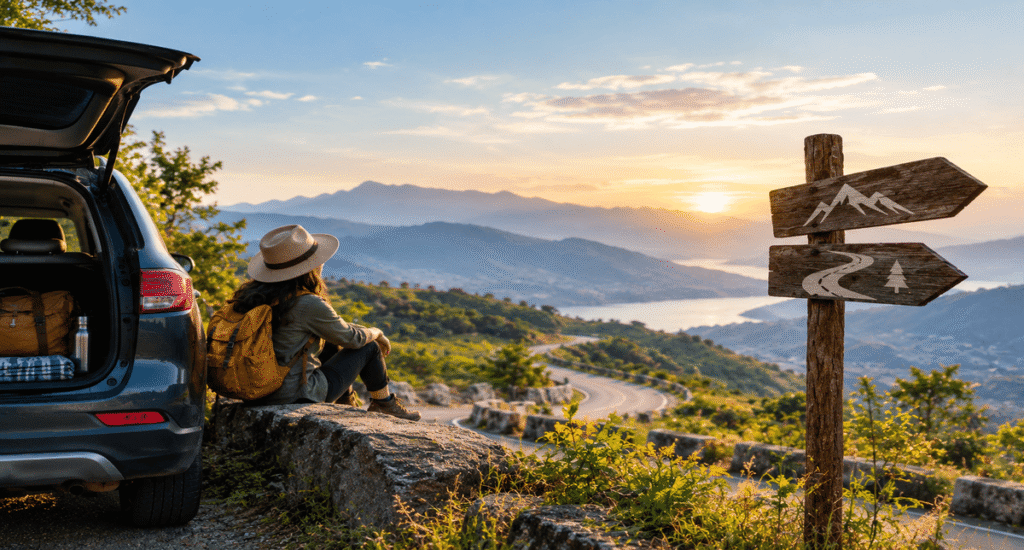
Slow travel is about enjoying the journey instead of rushing from one destination to another. It gives travellers the freedom to spend more time in places they enjoy, discover unexpected stops, interact with local communities, and appreciate the landscapes along the way. This approach is especially enjoyable during road trips, where the journey itself can become an important part of the experience.
At Motorswamis, we believe that a memorable road trip does not always need to follow a strict schedule. Good travel planning is important, but leaving some room for detours can make the journey more interesting. A beautiful viewpoint, a quiet village, a local food stop, or an unexpected scenic route can turn an ordinary drive into a memorable travel experience.
What Is Slow Travel?
Slow travel is a way of exploring that focuses on experiencing a destination rather than simply checking places off a list. Instead of trying to cover several attractions in one day, travellers can spend more time understanding the surroundings and enjoying what each place has to offer.
It can involve staying longer in one destination, choosing scenic routes, visiting local communities, trying regional food, or simply taking a break when a place catches your attention. The idea is not to remove planning completely. Instead, slow travel combines thoughtful planning with enough flexibility to enjoy experiences that cannot always be scheduled in advance.
Why Do Detours Matter on Road Trips?
Detours can be one of the most enjoyable parts of road trips. When travellers have some flexibility in their itinerary, they can stop at places that were not originally included in the plan. You might notice a beautiful mountain viewpoint, hear about a nearby village from a local resident, find an interesting roadside restaurant, or discover a quiet stretch of road. If your schedule is too tight, you may have to pass these places without stopping.
Leaving some space in your travel itinerary gives you the freedom to explore. A detour does not always have to mean travelling several kilometres away from your planned route. Sometimes, a short stop for a view, a local meal, or a walk can be enough to make the journey more memorable.
How Does Slow Travel Change a Road Trip?
A typical road trip itinerary may focus on reaching a destination within a specific time. Slow travel changes the focus by making the experience along the route equally important. Instead of asking, “How many places can we visit today?” you can ask, “How much can we experience today?”
This simple change can make a big difference. You may spend more time photographing a landscape, exploring a local market, talking with residents, or enjoying a peaceful meal instead of immediately getting back on the road. For travellers who enjoy scenic drives and offbeat destinations, this relaxed approach can make the journey feel less like a schedule and more like an adventure.
Why Should You Leave Room in Your Itinerary?
A completely packed itinerary can make travelling stressful. When every hour is planned, even a small delay can affect the rest of the day. Leaving some free time allows you to adapt to unexpected situations and enjoy opportunities that appear along the way. When practising slow travel, it is useful to divide your itinerary into essential plans and flexible activities.
Essential plans can include:
- Accommodation
- Major destinations
- Important routes
- Permits where required
- Key travel arrangements
Flexible plans can include:
- Scenic viewpoints
- Local food stops
- Short walks
- Village visits
- Photography stops
- Optional attractions
This balance gives you structure without making the journey feel rushed.
Can Detours Help You Discover Offbeat Places?
One of the biggest benefits of slow travel is the opportunity to discover places that may not appear in a standard tourist itinerary. India has many lesser-known villages, viewpoints, local markets, cultural experiences, and natural attractions. Some of these places may be found simply by taking a different road or asking local people for recommendations.
For road trip travellers, destinations such as Sikkim, Meghalaya, Arunachal Pradesh, Nagaland, Spiti Valley, Ladakh, Kaziranga, and Coastal Karnataka offer opportunities to explore beyond major tourist attractions. A flexible journey allows travellers to spend more time in smaller places instead of rushing towards the next major sightseeing point.
This is where detours can add real value. They can introduce you to a different side of a destination that you may not experience through a fixed sightseeing schedule.
How Can Travel Planning Support Slow Travel?
Travel planning and flexibility are not opposites. In fact, good planning can make a relaxed journey much easier. Before beginning a long road trip, it is useful to understand the route, approximate driving time, accommodation options, road conditions, fuel availability, and important stops.
However, there is no need to plan every minute of the journey. A practical travel plan can identify the important parts of the trip while leaving several hours or even a full day open for exploration. This approach can be particularly useful for longer journeys where weather, road conditions, traffic, or unexpected stops can change the schedule. The aim is to have a reliable plan without making the plan more important than the experience.
Is a Flexible Itinerary Better for Road Trips?
A flexible itinerary can be useful because road travel is naturally affected by changing conditions. Traffic, weather, road construction, longer stops, and unexpected experiences can all influence your schedule. If there is no flexibility, even a small change can make the rest of the day stressful.
With flexible road trip planning, travellers can adjust their schedule when necessary. For example, if you planned to visit three places but enjoy the first location more than expected, you can spend additional time there and move another activity to the next day. This is an important part of slow travel: allowing the experience to influence the itinerary instead of forcing the experience to fit a rigid schedule.
What Should You Consider Before Taking a Detour?
Not every interesting-looking road should automatically become part of your journey. A little preparation is important, particularly when travelling through mountains, forests, or remote areas.
Before taking an unfamiliar route, consider:
- Current weather conditions
- Road quality and accessibility
- Remaining daylight
- Fuel availability
- Mobile connectivity
- Distance from your accommodation
- Local travel restrictions or permits
If the detour is safe and practical, it can become a rewarding part of the trip. The purpose of slow travel is not to make travel unpredictable. It is to create enough flexibility for travellers to enjoy unexpected experiences responsibly.
How Can a Travel Agency Help With Flexible Travel?
Working with a travel agency or experienced road-trip partner does not mean that your journey has to be rigid. A professional travel partner can help organise important arrangements while creating a customised itinerary that leaves room for exploration. Depending on the destination and type of journey, support may include:
- Route planning
- Accommodation arrangements
- Vehicle and travel coordination
- Destination research
- Local guidance
- Group travel arrangements
- Backup planning
- Customised itineraries
This can be especially useful for longer road trips to remote destinations where planning logistics can take considerable time. The traveller can then focus on enjoying the journey while the essential arrangements are already taken care of.
How Can You Practise Slow Travel on Your Next Trip?
You do not need to completely change the way you travel to enjoy slow travel. A few simple changes can make your journey more relaxed. Start by reducing the number of destinations you try to cover in one day. Instead of rushing through several attractions, choose a few meaningful places and give yourself enough time to experience them.
You can also:
- Leave gaps between major activities.
- Choose scenic routes when practical.
- Spend time at local markets.
- Try regional food.
- Talk to local people.
- Take short walks.
- Stop at viewpoints.
- Keep some time completely unplanned.
Most importantly, be willing to change your plan when something genuinely interesting comes your way.
Why Can Slow Travel Create Better Memories?
Some of the strongest travel memories are not necessarily created at famous tourist attractions. You may remember stopping beside a mountain road to watch the sunset, discovering a small restaurant, speaking with a local family, finding a quiet village, or simply enjoying a peaceful drive through a beautiful landscape.
These moments are difficult to plan in advance. Slow travel creates the time and freedom needed to notice them. Instead of constantly thinking about the next destination, you become more aware of the place you are currently experiencing. That is what makes a flexible road journey different from simply following a sightseeing checklist.
Conclusion:
Slow travel encourages you to look beyond the destination and appreciate everything that happens along the way. For road trip travellers, this can mean taking a scenic detour, spending extra time at a beautiful location, discovering an offbeat place, or simply enjoying a quiet drive without constantly watching the clock. Good travel planning gives you the foundation for a successful journey, while flexibility gives you the freedom to experience something unexpected.
Whether you are exploring Sikkim, Meghalaya, Arunachal Pradesh, Nagaland, Spiti Valley, Ladakh, Kaziranga, or Coastal Karnataka, leave some room in your itinerary for the unexpected. At Motorswamis, customised tours and itineraries are designed to make road journeys more comfortable, flexible, and experience focused. Because sometimes, the most memorable part of a road trip is not the destination you planned to visit, but the detour you decided to take along the way.
Frequently Asked Questions
1. What does slow travel mean?
Slow travel means exploring a destination at a relaxed pace and focusing on meaningful experiences rather than trying to visit as many places as possible. It encourages travellers to spend more time experiencing local culture, nature, food, and communities.
2. Is slow travel suitable for road trips?
Yes. Road trips are well suited to this style of travel because travellers have more opportunities to stop at scenic locations, explore smaller places, and adjust their route according to the journey.
3. How do I plan a flexible road trip?
Start by identifying essential destinations, accommodation, routes, and other important arrangements. Then leave some free time for scenic stops, local experiences, rest, and unexpected detours.
4. Why are detours useful during a road trip?
Detours can help travellers discover hidden viewpoints, local food, smaller communities, scenic routes, and other experiences that may not be included in a standard itinerary.
5. Does slow travel mean travelling without a plan?
No. Slow travel can still involve detailed planning. The difference is that the itinerary includes enough flexibility to adapt when unexpected opportunities or changes occur.