
Experiential Travel: The Difference Between Seeing a Destination and Experiencing It
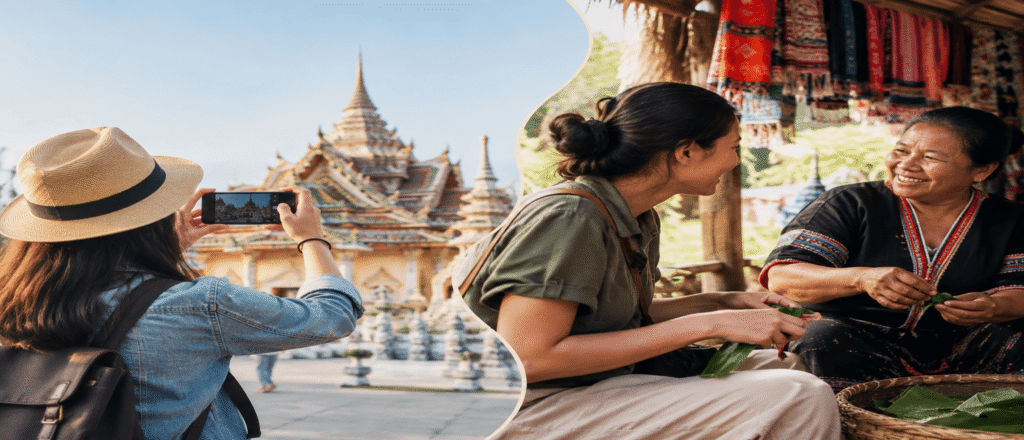
Travel is often about visiting new places, seeing famous attractions, and taking photographs. But there is a difference between simply seeing a destination and truly experiencing it. Experiential travel focuses on going beyond sightseeing and connecting with the culture, people, food, landscapes, and everyday life of a place.
For Motorswamis, a journey is not only about reaching a destination. It is also about everything that happens along the way. A scenic road, a conversation with a local, a regional meal, an unexpected stop, or time spent exploring a quiet village can become an important part of the journey. This approach can turn an ordinary trip into a collection of meaningful travel experiences.
What Is Experiential Travel?
Experiential travel is a way of travelling that focuses on meaningful and authentic experiences rather than simply visiting a list of tourist attractions. Instead of asking how many places you can cover, it encourages you to think about what you can discover and experience at each destination.
The destination may be the same, but the way you interact with it is different. This is the main idea behind experiential travel: becoming more involved with a destination instead of remaining only an observer.
Is Seeing a Destination the Same as Experiencing It?
Seeing and experiencing a destination are not always the same. Sightseeing usually focuses on what you can see and visit within a particular period. Experiencing a destination involves a deeper connection with the place.
A tourist may visit a famous viewpoint, take photographs, and move to the next attraction. Another traveller may spend time at that same location, speak with people nearby, learn about the area’s history, enjoy the surrounding landscape, and discover places that are not part of the usual tourist route. Neither approach is wrong. The difference is simply in the level of engagement. Experiential travel encourages travellers to look beyond the obvious attractions and discover the character of a destination through local culture, food, nature, people, and everyday experiences.
Why Are Authentic Travel Experiences Important?
A destination is not defined only by its famous attractions. Its identity also comes from its people, traditions, food, architecture, landscapes, and everyday lifestyle. Authentic travel experiences allow you to understand these elements more closely. Trying a local dish, visiting a traditional market, staying in a local homestay, walking through a village, or talking to residents can give you a different perspective of a destination.
These experiences can also make your memories more personal. Years later, you may remember a conversation with a local person or a meal at a small restaurant just as clearly as you remember a famous landmark. This is one of the reasons experiential travel appeals to people who want their journeys to feel more personal and less like a checklist of tourist attractions.
How Does Travel Planning Affect the Experience?
Good travel planning is not about filling every hour of your trip. It is about creating enough structure to make your journey comfortable while leaving room for exploration. Before travelling, think about the type of experience you want. Do you want to spend more time in nature? Are you interested in local culture? Do you want to discover offbeat destinations? Would you prefer scenic routes instead of the fastest possible route? Answering these questions can help you create a journey that matches your interests.
When planning an experiential trip, consider:
- The places you genuinely want to explore
- How much time you need at each destination
- Local food and cultural experiences
- Scenic and lesser-known routes
- Opportunities to interact with local communities
- Enough rest between long travel days
- Some flexibility for unexpected discoveries
This kind of travel planning can make the journey feel less rushed and more enjoyable.
How Can You Plan a Road Trip Around Experiences?
When you plan a road trip, it is easy to concentrate only on the distance between two destinations. However, the road itself can become one of the most interesting parts of the journey. A road trip through the mountains, for example, may take you through small villages, forests, local markets, viewpoints, and remote communities. A coastal route may introduce you to beaches, fishing villages, regional food, and lesser-known locations.
Instead of planning only where you will stop, think about what you want to experience along the way. A flexible road trip can give you the opportunity to stop when you discover something interesting. You may find a local restaurant, a beautiful viewpoint, or a quiet village that was not originally included in your plans. This is where experiential travel and road trips work particularly well together. The journey itself becomes part of the destination.
What Should a Travel Itinerary Include?
A travel itinerary provides direction and helps you manage your time, but it does not need to be packed from morning to night. A good itinerary should balance important attractions with time for exploration. If every minute is planned, there may be little opportunity to enjoy unexpected experiences.
A practical travel itinerary can include:
- Must-see attractions: Include important places that you genuinely want to visit.
- Local experiences: Add opportunities to try regional food, visit markets, explore communities, or learn about local traditions.
- Scenic routes: When possible, choose routes where the journey itself adds to the experience.
- Free time: Leave some gaps in the schedule so you can explore without constantly watching the clock.
- Rest: Allow enough time to recover, particularly during long road trips.
The aim is to create a framework for the journey without removing its spontaneity.
Why Is Local Culture an Important Part of Experiential Travel?
Local culture can completely change how you understand a destination. Two places may have beautiful landscapes, but their traditions, food, lifestyle, and communities can make the experiences completely different.
Experiential travel gives these cultural details more importance. You do not have to participate in a major cultural activity to experience local life. Sometimes, simply observing daily routines, speaking respectfully with residents, or spending time in a local area can help you understand the destination better.
Can Road Trips Offer More Meaningful Experiences?
Road trips can provide a greater sense of freedom because the route itself becomes part of the adventure. Instead of moving directly between major attractions, travellers can discover what lies between them. This can be particularly interesting when exploring offbeat destinations in India. Regions such as the Northeast, Himalayas, and remote parts of Ladakh offer landscapes and communities that can be very different from the experiences available in major cities.
The journey can include quiet roads, remote villages, local food, mountain landscapes, cultural experiences, and unexpected stops. For travellers who enjoy exploring beyond conventional tourist routes, a carefully planned road trip can create opportunities for authentic travel experiences that may not be possible during a short sightseeing visit.
Why Should You Leave Room for Unexpected Experiences?
Not every memorable travel experience can be planned in advance. You may discover a beautiful viewpoint while driving, meet someone who recommends a nearby place, find a local restaurant, or decide to spend longer at a location because you enjoy the atmosphere.
If your itinerary is too rigid, these moments can easily become inconveniences. If you have some flexibility, they can become part of your journey. This does not mean travelling without a plan. Basic travel planning remains important for routes, accommodation, travel time, and practical requirements. The idea is simply to leave enough space for experiences that happen naturally.
Is Experiential Travel Only About Slow Travel?
Not necessarily. Experiential travel does not require every trip to be long or slow. You can have a meaningful travel experience during a short trip if you choose activities and destinations that allow you to connect with the place.
The important thing is not how slowly you travel but how intentionally you travel. Instead of trying to visit ten attractions in one day, you might choose three places that genuinely interest you and spend more meaningful time at each. This can make the trip feel more relaxed and memorable without requiring a much longer holiday.
How Can You Experience a Destination Like a Local?
Experiencing a destination like a local does not mean completely avoiding tourist attractions. Popular attractions can still be an important part of your journey. The difference comes from exploring beyond them. You can try local food, visit a neighbourhood market, explore a nearby village, talk to residents, learn about regional traditions, or choose accommodation that gives you a closer connection to local life.
Some simple ways to make a trip more experiential include:
- Try regional dishes instead of only familiar food.
- Visit local markets and smaller communities.
- Spend more time at places that interest you.
- Explore areas beyond major tourist attractions.
- Learn about local traditions and history.
- Take scenic routes when time and conditions allow.
- Leave some flexibility in your itinerary.
These small choices can make a significant difference to the overall travel experience.
What Makes a Journey More Memorable?
The most memorable part of a trip is not always the destination itself. Often, it is the story connected to it. It might be the road that led you to a remote village, the meal you discovered unexpectedly, the sunrise you watched after an early morning drive, or the conversation you had with someone along the way.
These moments give a journey its personality. This is why experiential travel focuses on creating memories rather than simply collecting destinations. When you return home, the photographs may remind you where you went, but the experiences can remind you how the journey felt.
How Can You Turn Sightseeing Into Experiential Travel?
You do not need to completely change your travel style. Small changes can make sightseeing more experiential. If you visit a famous attraction, take time to understand its history. If you visit a city, explore its local food and neighbourhoods. If you travel through a mountain region, pay attention to the communities and landscapes along the route.
Most importantly, avoid thinking of the journey as only a series of locations. Think about the people you meet, the food you taste, the roads you travel, the stories you hear, and the unexpected moments you discover. That shift in perspective is at the heart of experiential travel.
Conclusion
There is a clear difference between seeing a destination and experiencing it. Seeing a place may give you photographs, but experiencing it can give you stories, connections, cultural understanding, and memories that stay with you long after the journey.
Experiential travel encourages you to look beyond famous attractions and pay attention to the people, food, culture, landscapes, and moments that make each destination unique. With thoughtful travel planning, a balanced travel itinerary, and the freedom to explore along the way, the journey can become just as meaningful as the destination.
For Motorswamis, this is an important part of creating memorable journeys. By combining customised routes with opportunities to explore destinations more deeply, Motorswamis helps travellers experience the journey rather than simply pass through it.
Frequently Asked Questions
1. What is experiential travel?
Experiential travel focuses on meaningful interactions with a destination rather than simply visiting popular attractions. It can involve local culture, food, people, nature, traditions, and activities.
2. What is the difference between sightseeing and experiential travel?
Sightseeing generally focuses on visiting and seeing attractions, while experiential travel focuses on understanding and engaging with the destination. It gives greater importance to local experiences and meaningful connections.
3. How can I make my travel more experiential?
Spend more time exploring local areas, try regional food, interact respectfully with local communities, discover lesser known places, and leave some flexibility in your travel itinerary.
4. How does travel planning help with experiential travel?
Good travel planning gives your trip a practical structure while allowing enough time for local experiences, rest, exploration, and unexpected discoveries.
5. How can I plan a road trip for a better experience?
When you plan a road trip, consider the journey as well as the destination. Choose scenic routes where possible, include interesting stops, allow enough travel time, and avoid making the itinerary unnecessarily rushed.