
7 Smart Tips for Self Drive Tours in India Without Rushing
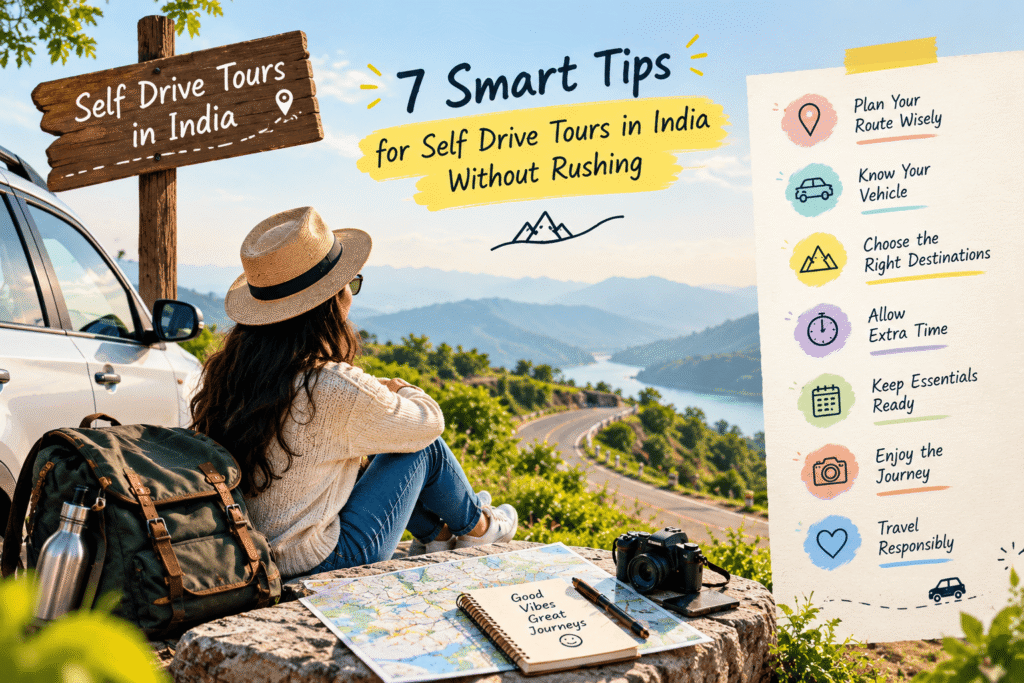
A road trip across multiple Indian states should be about discovery, not rushing between destinations. Well-planned self drive tours in India give you time to enjoy scenic routes, local food, cultural experiences, and unexpected stops. Motorswamis helps travellers explore road trip possibilities while planning journeys around their interests, available time, and preferred pace.
1. How Do You Choose the Best Route?
The first step in planning a multi-state road trip in India is choosing a route that matches your travel interests and available days. Instead of trying to cover every popular destination, focus on places that connect naturally and allow enough time for exploration.
Before finalising your route, consider these factors:
Distance between destinations: Choose places that can be reached comfortably without spending most of your holiday behind the wheel.
Road conditions: Check highways, mountain roads, construction zones, and possible seasonal disruptions.
Travel interests: Decide whether you prefer nature, local food, historical sites, wildlife, or offbeat destinations.
Available time: Include the time needed to reach your first destination and return home.
Route flexibility: Keep alternative stops available in case weather or road conditions change.
A useful road trip planning tip is to group nearby attractions together. This reduces backtracking and leaves more time for sightseeing. For a more enjoyable journey, choose a few destinations you genuinely want to experience rather than adding places simply to increase the number of states covered.
2. How Many Days Do You Need?
The right duration for a multi-state road trip itinerary depends on your starting point, driving distance, and the time you want to spend at each destination. A route that looks manageable on a map may require additional days because of traffic, road conditions, and sightseeing.
Use these approximate durations as a starting point for planning.
| Trip duration | Suggested travel plan |
|---|---|
| 3–4 days | Explore a compact route through nearby regions |
| 5–7 days | Visit a few destinations across two states |
| 8–12 days | Explore several destinations across two or three states |
| 13–18 days | Travel through a larger region at a relaxed pace |
| 3 weeks or more | Consider an extended multi-state journey |
These are general planning suggestions, not fixed rules. Your actual travel time will depend on the route and the experiences you want to include. When calculating the duration, account for arrival and departure days. A seven-day holiday may leave only five full days for exploration if the first and last days involve long drives.
For self drive tours in India, a realistic schedule is more valuable than a packed itinerary. Spending two nights in one destination can give you more time to explore than changing hotels every day.
3. How Can You Avoid Long Driving Hours?
One of the biggest mistakes when planning a long-distance self-drive tour is underestimating driving time. The distance between two destinations does not always reflect how long the journey will take. Traffic congestion, roadwork, weather, meal breaks, and winding roads can extend travel time. This is especially important when travelling through hilly regions or unfamiliar areas.
Follow these practical tips to manage your driving hours:
Check estimated driving time before confirming each day’s itinerary.
Allow additional time for breaks, meals, fuel, and unexpected delays.
Avoid scheduling several major attractions after a long drive.
Start early when appropriate, but never compromise on sleep.
Plan demanding driving days separately from extensive sightseeing days.
For instance, if reaching a hill station takes six hours, avoid scheduling another distant attraction for that afternoon. Check into your accommodation, relax, and explore nearby places if time permits. A flexible schedule helps you enjoy self drive tours in India without constantly worrying about reaching the next destination. Never drive when tired, and take breaks whenever necessary.
4. Where Should You Plan Overnight Stops?
Overnight stops are essential for comfortable self drive tours in India, especially when planning a multi-state road trip. Choosing the right accommodation can reduce fatigue, simplify your daily schedule, and leave more time for sightseeing. When planning self drive tours in India, consider staying two or more nights in destinations with several nearby attractions. This reduces repeated packing, check-ins, and check-outs, making your multi-state road trip itinerary more relaxed.
When choosing accommodation for your self drive tour in India, look for:
Convenient location: Choose accommodation close to your planned attractions.
Safe parking: Ensure suitable parking is available for your vehicle.
Flexible check-in: Check arrival times and check-out arrangements in advance.
Nearby facilities: Look for restaurants, fuel stations, and essential services.
Easy route access: Select a location that makes the next day’s drive manageable.
Booking accommodation in advance is helpful during busy holiday periods and popular travel seasons. For remote destinations, confirm availability, arrival arrangements, and road access before starting your journey.
When planning long-distance self drive tours in India, avoid making late night arrivals a regular part of your itinerary. Finishing the day’s drive during daylight, particularly on unfamiliar roads, can make your journey more comfortable and help you enjoy your self drive road trip without unnecessary stress.
5. How Do You Balance Driving and Sightseeing?
A well-planned self drive tour in India should leave enough time to enjoy each destination rather than simply pass through it. Local markets, regional food, cultural experiences, and scenic viewpoints can make self drive tours in India more memorable. To create a comfortable multi-state road trip itinerary, group nearby attractions together and avoid scheduling too many activities in one day.
When planning your self drive tour itinerary in India, consider the following:
One main attraction: Choose the place or experience you most want to enjoy at each destination.
Optional activities: Add one or two extra stops that you can visit if time permits.
Local experiences: Allow time for regional food, local markets, short walks, and cultural attractions.
Time to relax: Include breaks between driving and sightseeing to make your road trip more comfortable.
This approach makes road trip planning easier while keeping your self drive tours in India flexible and enjoyable. Consider adding a rest day after two or three demanding travel days, especially when planning a long-distance, multi-state journey. You can use these rest days for relaxed sightseeing, trying local food, or exploring nearby attractions without following a strict schedule. If you are travelling with children, older family members, or a group with different interests, allow extra time for meals and breaks.
Ultimately, the best self drive tour in India is one that balances driving, sightseeing, and relaxation. A realistic itinerary helps you explore more comfortably and enjoy every destination without rushing.
6. What Should You Check Before Crossing State Borders?
Travelling across Indian states during self drive tours in India can involve changes in traffic conditions, road quality, weather, and local travel requirements. Proper road trip planning before departure can help prevent avoidable delays and make your multi-state road trip in India more comfortable. Start by confirming that your driving licence, vehicle documents, insurance, and other required paperwork are valid. If you are using a rental vehicle, check the provider’s interstate travel policy, permitted routes, insurance coverage, and breakdown assistance arrangements before starting your long-distance self-drive tour.
Some destinations, particularly certain protected or border areas, may require permits or additional arrangements. Requirements depend on the location and can change, so verify them through official sources before travelling.
Before crossing into another state, check the following:
Road conditions and weather forecasts for your planned route.
Applicable tolls and route restrictions along the journey.
Fuel availability along remote stretches.
Accommodation and destination entry requirements before arrival.
Mobile connectivity and offline navigation options for areas with limited network coverage.
Download offline maps before entering remote areas. Navigation apps are useful for self-drive road trip planning, but always follow road signs and local instructions when routes change. Careful preparation helps you manage your multi-state road trip itinerary more effectively, avoid unnecessary delays, and enjoy your self drive tours in India with greater confidence.
7. How Can You Keep Your Road Trip Flexible?
Even the best-planned multi-state road trip in India can change unexpectedly. Heavy traffic, rain, road closures, or vehicle problems can affect your schedule. When planning self drive tours in India, leave room for adjustments instead of planning every hour. A flexible road trip itinerary helps you manage delays without missing the experiences that matter most.
Here are a few ways to make your road trip planning more flexible:
Keep one or two optional attractions that you can skip.
Avoid scheduling long driving hours on consecutive days whenever possible.
Allow extra time between bookings and travel connections.
Check weather and road conditions before setting out each morning.
Share your route and expected arrival times with someone you trust.
Proper vehicle preparation is equally important for a safe long-distance self-drive tour. Check the tyres, spare tyre, lights, brakes, and essential tools before departure. Carry drinking water, a phone charger, basic first-aid supplies, and any personal medication you need. If you prefer additional help with self-drive tour planning, consider an experienced travel partner. Compare the available services, itinerary flexibility, travel support, and booking terms before making a decision.
Motorswamis helps travellers explore road trip possibilities and plan journeys around their interests. Visit the Motorswamis website to learn more about its travel offerings and plan your next self drive tour in India.
Conclusion
A successful multi-state road trip is not about covering the maximum distance or visiting the most places. It is about having enough time to enjoy the journey, discover local experiences, and explore each destination comfortably.
When planning self drive tours in India, choose a realistic route, manage daily driving hours, arrange convenient overnight stops, and leave room for unexpected discoveries. Whether you are exploring South India or planning a longer journey through less-visited regions, a well-paced itinerary can make the experience more rewarding. With Motorswamis, you can explore road trip possibilities and work towards a journey that matches your interests, available time, and preferred pace. Plan thoughtfully, travel safely, and enjoy every part of the road ahead.
Frequently Asked Questions
1. How Do You Plan a Multi-State Road Trip in India?
Choose a region, select a manageable number of destinations, estimate realistic driving times, and arrange convenient overnight stops. Allow time for sightseeing, meals, and unexpected delays. Check road conditions and travel requirements before departure.
2. How Many Days Are Enough for a Multi-State Road Trip?
A short trip through nearby regions may take three to four days, while a relaxed journey across several states may require one to three weeks or longer. The duration depends on the distance, destinations, and pace you prefer.
3. How Can You Avoid Rushing During a Self-Drive Tour?
Limit the number of destinations, avoid long drives every day, stay multiple nights where practical, and leave some activities optional. Focus on enjoying each destination instead of trying to cover as many places as possible.
4. Is It Better to Plan a Road Trip Independently or Use a Travel Partner?
Independent planning offers greater control over your route and schedule. An organised travel partner may help with route planning, accommodation coordination, destination selection, and support arrangements. Compare the available services and terms to decide which option suits your needs.