
7 Essential Road Trip Planning Tips to Explore Nature, Culture and Local Communities
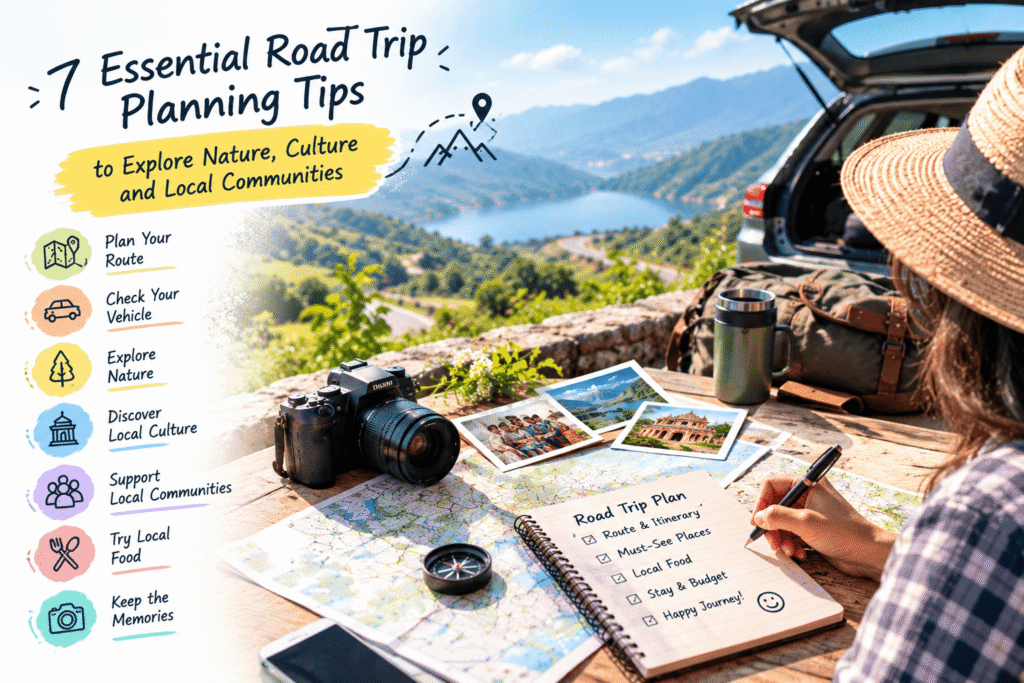
A great road trip is more than reaching a destination. It’s about enjoying scenic landscapes, discovering local traditions, tasting regional food, and connecting with local communities. With smart road trip planning, you can bring nature, culture, and authentic local experiences together in one memorable journey.
At Motorswamis, we believe every road trip is an opportunity to explore beyond the usual tourist spots. Here are 7 essential tips to help you plan a meaningful and enjoyable road trip in India.
1. How Do You Choose the Right Road Trip Destinations?
The first step in road trip planning is choosing destinations that offer a combination of nature, culture, and opportunities to interact respectfully with local communities. Instead of selecting places only because they are popular, look for destinations where different experiences are available within a manageable driving distance.
When comparing road trip destinations, consider:
Natural attractions: Forests, mountains, lakes, waterfalls, wildlife areas, and nature trails.
Cultural experiences: Historic buildings, museums, traditional crafts, local festivals, and heritage sites.
Community experiences: Village markets, locally owned businesses, regional cuisine, and community-led tourism activities.
Driving convenience: Road conditions, travel time, fuel availability, and access to accommodation.
You do not need to cover several states to experience different aspects of a region. A smaller route with meaningful stops can be more enjoyable than a long itinerary filled with daily travel.
2. How Can You Balance Nature and Culture?
A successful road trip itinerary gives equal attention to natural attractions and cultural experiences. Spending the entire journey visiting viewpoints can become repetitive, while scheduling too many historical attractions may leave little time to appreciate the surrounding landscape.
The best approach is to combine different types of activities throughout the journey. For instance, you could spend the morning exploring a nature trail, visit a heritage site in the afternoon, and enjoy regional food at a local restaurant in the evening.
Here are a few ways to create this balance:
Plan outdoor activities: Include scenic drives, short hikes, waterfalls, lakes, or wildlife experiences where appropriate.
Explore cultural landmarks: Visit museums, historic settlements, traditional architecture, and locally significant places.
Make time for regional food: Try local dishes and learn about the ingredients or cooking traditions associated with the area.
Keep some time unplanned: Allow room for an interesting market, a scenic stop, or a cultural experience you discover along the way.
When planning nature and culture road trips, consider the time needed at each stop, not just the distance between destinations. This makes the journey less rushed and gives you more opportunities to understand the places you visit.
3. How Can You Experience Local Communities Respectfully?
Local communities are an important part of meaningful road trips in India. Their traditional food, handmade crafts, cultural heritage, and everyday activities help travellers discover the local side of a destination. Including these experiences in your road trip planning can make your journey more enriching while supporting responsible and sustainable tourism.
When exploring offbeat road trip destinations, take time to understand local customs and respect the people who call these places home. Here are a few ways to experience local culture during your journey:
Explore local markets: Buy handmade products and regional specialities directly from local artisans and small businesses.
Try regional cuisine: Visit locally owned restaurants to discover authentic food and support local livelihoods.
Choose community-led experiences: Participate in local tours or cultural activities where available.
Respect local traditions: Learn about regional customs before visiting religious sites, traditional settlements, or culturally significant places.
Ask before taking photographs: Seek permission before photographing residents, private homes, or cultural activities.
Follow responsible travel practices: Respect personal boundaries, restricted areas, and community guidelines.
Adding these experiences to your road trip itinerary helps you explore destinations beyond popular tourist attractions. Whether you’re travelling through rural Karnataka or discovering the cultural diversity of Northeast India, respectful interactions with local communities can make your nature and culture road trip more memorable while encouraging responsible tourism.
4. How Do You Find Scenic and Offbeat Routes?
Choosing the right route is an important part of road trip planning. The most direct road is not always the most interesting, particularly when your goal is to explore nature, culture, and lesser-known destinations. Scenic driving routes can take you through countryside landscapes, forested stretches, mountain roads, and small towns. However, an offbeat route should still be practical, safe, and suitable for your vehicle.
Before finalising your itinerary, research:
Road conditions and estimated driving times.
Weather conditions and seasonal accessibility.
Fuel stations, rest stops, and reliable food options.
Mobile network coverage and emergency assistance.
Parking availability near attractions and overnight stays.
Local restrictions, entry requirements, and protected-area regulations.
Use reliable navigation tools, but do not depend on estimated travel times alone. Mountain roads, narrow village streets, construction, and weather can increase journey times considerably. You can explore destination ideas through the official Incredible India travel website and use current local information to check access and conditions before departure. For travellers interested in offbeat road trips in India, it is worth allowing extra time for destinations that require slower driving or additional planning.
5. How Should You Plan Your Road Trip Itinerary?
A well planned itinerary makes road trip planning easier, helping you explore nature, culture, and local communities without making the journey feel rushed. Choose destinations that match your interests and allow enough time to enjoy each stop.
When planning your route, consider the following:
Prioritize destinations: Choose places with scenic views, cultural attractions, and opportunities to experience local life.
Estimate driving time: Check distances and road conditions before deciding how many places to visit in a day.
Allow time to explore: Keep your schedule flexible to enjoy local food, markets, nature trails, and unexpected discoveries.
Plan suitable rest stops: Consider accommodation, meal breaks, fuel stations, and opportunities to relax.
Stay flexible: Weather, traffic, and local conditions may affect your plans, so leave room for adjustments.
Effective road trip planning helps you enjoy the journey rather than focusing only on reaching the next destination. By balancing driving time with meaningful experiences, you can create a comfortable and memorable road trip.
6. What Should You Pack for a Comfortable Road Trip?
Packing for a road trip requires more than preparing clothes and booking accommodation. Good road trip planning includes choosing essentials based on your destination, weather, planned activities, and road conditions. For a journey that combines nature, culture, and local experiences, pack items that support comfort and safety.
Essential road trip checklist:
Driving licence, vehicle documents, identification, and booking confirmations.
Navigation tools, charging cables, a phone mount, and a power bank.
Drinking water, reusable bottles, and convenient snacks.
Comfortable walking shoes and weather-appropriate clothing.
Sunscreen, insect repellent, and basic personal care supplies.
A first-aid kit and any necessary personal medication.
Flashlight, emergency contact details, and basic roadside safety equipment.
Cash for locations where digital payments may not be available.
During road trip planning, consider whether forest routes, remote villages, or mountainous areas require additional equipment or local guidance. Vehicle preparation is equally important. Before leaving, check the tyres, brakes, lights, engine oil, coolant, and other essential components. Ensure the spare tyre and necessary tools are ready. Proper preparation helps prevent avoidable delays and lets you focus on enjoying the journey.
7. How Can You Make Your Road Trip More Sustainable?
Responsible travel is an important part of road trip planning, especially when exploring natural landscapes, cultural heritage sites, and local communities. By making thoughtful choices, you can enjoy memorable road trips in India while helping protect the destinations you visit.
Follow these responsible travel practices during your road trip:
Reduce plastic waste: Carry reusable water bottles and avoid unnecessary single-use plastics.
Keep destinations clean: Dispose of waste properly and never litter at viewpoints, forests, or villages.
Protect nature: Stay on designated trails and follow wildlife-viewing guidelines.
Support local communities: Choose local accommodation, restaurants, guides, and artisans whenever suitable.
Respect local culture: Follow regional customs and avoid disturbing religious sites or community activities.
Drive responsibly: Follow speed limits and drive carefully through villages and wildlife-sensitive areas.
Protect sensitive locations: Follow access rules and obtain necessary permissions before visiting restricted areas.
During road trip planning, consider how your travel choices affect the environment and the people who live in your chosen destinations. Supporting community-led activities and local businesses can help tourism benefits reach residents directly. Whether you’re exploring scenic driving routes, discovering cultural attractions, or visiting offbeat destinations, responsible travel makes your road trip more meaningful while helping preserve the places and traditions that make each journey special.
What Mistakes Should You Avoid When Planning a Road Trip?
Even a well-chosen destination can become difficult to enjoy if the itinerary is unrealistic. A few common mistakes can make your trip unnecessarily tiring.
Trying to cover too many places: Visiting several destinations in a short period can leave little time for nature walks, cultural attractions, or meaningful local experiences.
Underestimating driving time: A short distance on a map may involve winding roads, traffic, or difficult terrain. Plan according to actual road conditions.
Ignoring local customs: Research the traditions, dress expectations, photography rules, and visitor guidelines relevant to the places you intend to visit.
Booking everything without flexibility: Advance reservations are useful, but a little flexibility can help you adapt to weather, delays, or unexpected discoveries.
Overlooking rest and safety: Long driving hours can lead to fatigue. Schedule regular breaks, share driving responsibilities where possible, and avoid driving when tired.
Good road trip planning is about finding a comfortable balance between preparation and flexibility.
Plan a More Meaningful Road Trip with Motorswamis
A rewarding road trip brings together the freedom of the open road and the opportunity to experience a destination beyond its most familiar attractions. With thoughtful road trip planning, you can enjoy scenic landscapes, discover regional traditions, meet local people respectfully, and support businesses along the way. The most memorable journeys are not always the ones that cover the greatest distance. They are the ones that leave enough time to appreciate the places you visit and understand what makes each destination special.
Whether you are considering an offbeat route, a multi-day itinerary, or a journey through culturally rich regions, Motorswamis can help you explore road trip possibilities with a focus on organised travel and meaningful experiences. Visit Motorswamis to explore your next road trip and start planning a journey that combines nature, culture, and local communities.
Frequently Asked Questions
1. How do you plan a road trip in India?
Start your road trip planning by choosing destinations, setting a realistic travel duration, and estimating driving times. Include accommodation, fuel stops, attractions, and rest breaks in your itinerary. Check road conditions, weather, and local customs before travelling to ensure a safe and enjoyable road trip.
2. How can I combine nature and culture on a road trip?
Choose destinations with both natural attractions and cultural experiences. You could combine nature trails, lakes, or scenic drives with heritage sites, local markets, traditional food, and community-led activities.
3. What are the best destinations for offbeat road trips in India?
The best destination depends on your interests and travel season. Regions in Northeast India, parts of Karnataka, and less-visited rural areas across the country can offer combinations of scenic landscapes, cultural heritage, and local experiences. Research accessibility and local guidelines before finalising your route.
4. How many kilometres should I drive each day on a road trip?
There is no universal distance limit because road conditions and driving times vary. Instead of planning by kilometres alone, estimate actual time behind the wheel and leave room for meals, rest, sightseeing, and unexpected delays.
5. How can road trips support local communities?
Travellers can support local communities by choosing locally owned accommodation, eating at regional restaurants, purchasing handmade products, and booking community-led experiences. Respecting residents’ privacy and cultural practices is equally important.
6. What is the best way to plan a self-drive road trip?
Choose a manageable route, check vehicle readiness, research road conditions, and book suitable accommodation. Keep essential documents and emergency contacts accessible, and allow enough time to explore without driving for excessively long periods.