
7 Stunning Reasons to Explore the Mountain Landscapes of Tawang
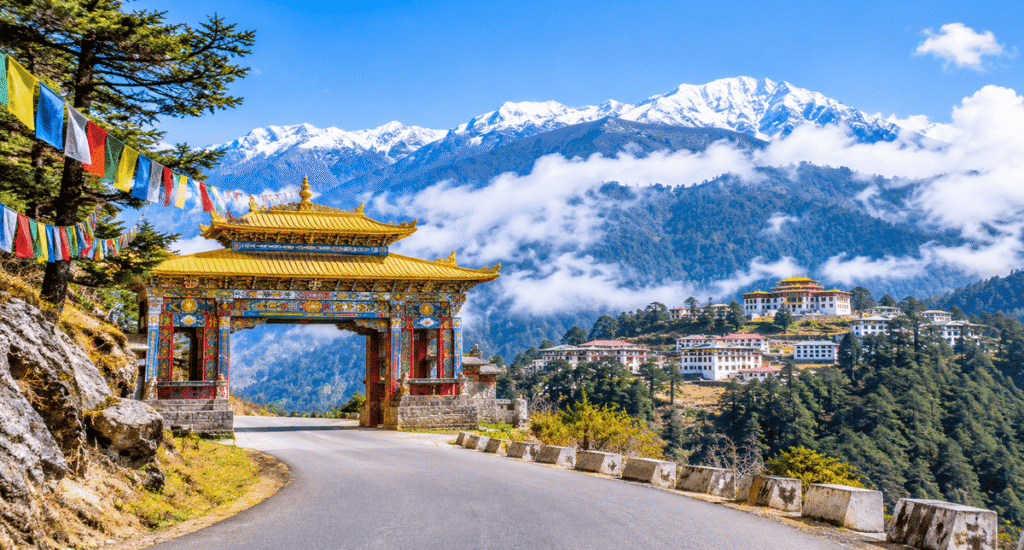
Tawang, located in the northwestern part of Arunachal Pradesh, is known for its breathtaking Himalayan scenery, peaceful valleys, high altitude lakes and beautiful mountain passes. The Tawang mountain landscapes offer a wonderful experience for travellers who enjoy nature, scenic drives and exploring less crowded destinations. With its combination of snow covered peaks, green valleys and winding mountain roads, Tawang stands out as one of the most beautiful destinations in Northeast India. Motorswamis, as organized travel planners, helps travellers discover destinations through thoughtfully planned road trips and self-drive experiences.
The growing interest in Tawang tourism comes from the region’s natural beauty and the variety of landscapes it offers. From the impressive views of Sela Pass to the peaceful surroundings of Madhuri Lake, there are several Tawang sightseeing places worth exploring. Each destination has its own character, making the journey through Tawang, Arunachal Pradesh an experience filled with beautiful scenery and memorable moments.
1. What Makes Tawang's Mountain Views Special?
The first thing that attracts visitors to Tawang is its impressive mountain scenery. Surrounded by the Eastern Himalayas, the region features high mountain ranges, deep valleys, rocky slopes and beautiful natural surroundings. The mountains do not look the same throughout the journey. Some areas have snow-covered peaks, while others feature green slopes, forests and clouds moving across the hills.
Here are some features that make the Tawang mountain landscapes special:
Snow-covered mountain peaks: During colder months, several mountain areas receive snowfall, creating beautiful white landscapes.
Green mountain slopes: Forests and vegetation add natural colour to the surrounding hills.
Cloud-covered mountains: Mist and moving clouds create changing views throughout the day.
Wide mountain valleys: Open valleys provide beautiful views of the surrounding Himalayan ranges.
Natural water bodies: Lakes and streams add to the peaceful atmosphere of the region.
These natural features make Tawang an attractive destination for people who want to experience the beauty of the mountains away from crowded tourist locations.
2. Why Is Sela Pass Worth Exploring?
Sela Pass is one of the most recognised attractions in Tawang. Located at approximately 13,700 feet above sea level, this high-altitude mountain pass connects Tawang with other parts of Arunachal Pradesh. The surrounding scenery includes snow-covered mountain peaks, rocky slopes and beautiful alpine landscapes. Sela Lake, located near the pass, adds another attraction to the location.
The journey through Sela Pass is equally interesting. As the road moves towards higher elevations, travellers can observe changes in the surrounding vegetation, mountain formations and weather.
What makes Sela Pass special?
The surrounding mountain ranges offer impressive panoramic views.
Sela Lake creates a beautiful contrast against the mountain scenery.
Snowfall during winter changes the appearance of the entire landscape.
The winding mountain roads provide several opportunities to enjoy the natural surroundings.
Sela Pass is one of the best places to experience the dramatic beauty of the Himalayan landscapes in Tawang. It is also an important stop for travellers exploring the region by road.
3. What Makes Madhuri Lake a Unique Mountain Attraction?
Madhuri Lake, officially known as Sangetsar Lake, is one of the most beautiful natural attractions in the Tawang region. Surrounded by mountain peaks and pine-covered slopes, the lake offers a peaceful setting. One of its most distinctive features is the presence of upright tree trunks emerging from the water, giving the lake an unusual appearance.
The lake was formed following an earthquake and has become one of the most recognised Tawang sightseeing places.
Why should you explore Madhuri Lake?
Mountain reflections: The surrounding peaks create beautiful reflections in the water when conditions are clear.
Unique natural formations: The standing tree trunks make the lake visually different from other mountain lakes.
Peaceful surroundings: The location offers a calm atmosphere away from busy town areas.
Seasonal beauty: Changes in weather and temperature give the landscape a different appearance throughout the year.
For photography enthusiasts, the lake provides several opportunities to capture the beauty of nature. The combination of water, mountains and forests makes it a memorable part of a Tawang journey.
4. How Do Tawang's Valleys Add to Its Natural Beauty?
The valleys around Tawang offer a different experience compared with its high-altitude mountain passes. They feature open landscapes, flowing streams, forest-covered slopes and small settlements surrounded by hills. These valleys also help travellers understand the geographical diversity of the region. Some areas are covered with vegetation, while others feature rocky mountain formations and open grassland-like surroundings.
What can you notice while exploring the valleys?
Open landscapes: Wide valleys provide uninterrupted views of nearby mountain ranges.
Flowing streams: Natural water bodies add beauty to the surrounding environment.
Forest-covered slopes: Green vegetation creates a refreshing atmosphere.
Mountain villages: Small settlements offer glimpses of local life in the Himalayan region.
Changing scenery: The appearance of the valleys changes with elevation and weather.
Exploring these locations allows visitors to appreciate more than just the popular attractions. The quieter mountain surroundings are also an important part of what makes Tawang Arunachal Pradesh worth visiting.
5. Why Should You Visit Nuranang Falls?
Nuranang Falls, also known as Jang Falls, is another beautiful natural attraction in the Tawang region. The waterfall drops from approximately 100 metres, creating an impressive sight against the surrounding forest and mountain slopes. The sound of flowing water, cool air and green surroundings make it a refreshing place to visit during a mountain journey.
Unlike the rocky landscapes of high-altitude passes, Nuranang Falls introduces visitors to the greener side of the region.
What makes Nuranang Falls interesting?
The waterfall creates a striking natural view against the mountain background.
The surrounding greenery adds to the beauty of the location.
The sound of cascading water creates a peaceful atmosphere.
Its surroundings offer different photography opportunities compared with mountain lakes and viewpoints.
6. How Does Each Season Change Tawang's Mountain Landscapes?
One of the most interesting things about visiting Tawang is the way its landscapes change with the seasons. The same mountain location can look completely different depending on the weather and time of year.
Understanding these seasonal changes can help travellers decide when to explore the region.
Spring and Summer (March to June)
During spring and summer, several parts of Tawang experience relatively pleasant weather. The surrounding vegetation becomes greener, and the mountain scenery can be enjoyed during clearer weather conditions. This period is suitable for travellers interested in exploring valleys, lakes and scenic mountain roads.
Monsoon (July to August)
Rainfall brings freshness to the forests and valleys. However, heavy rain can affect road conditions and visibility. Travellers should check local weather forecasts and road advisories before planning journeys during this period.
Autumn (September to November)
Autumn is often appreciated for its clear mountain views and changing colours across the landscape. It can be a rewarding period for photography and sightseeing, particularly when the weather allows better visibility of distant mountain ranges.
Winter (December to February)
Winter transforms parts of Tawang into beautiful snowy landscapes. Snow-covered slopes, cold weather and frozen lakes create a completely different mountain atmosphere. However, snowfall can also affect road accessibility. Travellers should check current conditions before visiting high altitude locations. The seasonal differences make Tawang mountain landscapes interesting to explore at different times of the year.
7. What Makes Tawang's Mountain Roads a Memorable Experience?
The natural beauty of Tawang is not limited to its famous tourist attractions. The roads connecting different locations are also an important part of the experience. Travelling through the mountains offers views of winding roads, deep valleys, forest-covered slopes and distant Himalayan peaks. Every stretch of the journey can reveal a different landscape.
Some interesting features of a mountain road journey include:
Changing elevations: Travellers can observe how the surrounding scenery changes while moving through different altitudes.
Scenic viewpoints: Mountain routes offer opportunities to stop at suitable locations and enjoy the views.
Natural surroundings: Forests, streams and valleys create beautiful scenery along the way.
Remote landscapes: Some stretches offer a chance to experience quieter parts of the Himalayan region.
Photography opportunities: Mountain roads provide different viewpoints for capturing the surrounding scenery.
However, mountain travel requires proper preparation. Road conditions, weather changes and high-altitude driving should always be considered before starting the journey.
Organized travel planning can help create a balanced itinerary that includes suitable travel time, sightseeing stops and route arrangements. Motorswamis focuses on organized road trips and self-drive tour planning for people interested in discovering destinations across India.
What Should You Know Before Exploring Tawang?
Although Tawang is known for its natural beauty, exploring a high-altitude destination requires preparation. Weather conditions can change quickly, and some mountain routes may become difficult during heavy snowfall or rainfall.
Before planning your journey, consider the following points:
1. Check road conditions
Mountain roads can be affected by snowfall, landslides and heavy rainfall. Check local updates before travelling.
2. Arrange the necessary permits
Indian visitors need an Inner Line Permit (ILP) to enter Arunachal Pradesh. Additional permissions are required for restricted destinations such as Bum La Pass.
3. Allow time for acclimatisation
Tawang and its surrounding attractions are located at high elevations. Allow sufficient time to adjust before visiting higher-altitude locations.
4. Carry suitable clothing
Pack warm clothes, comfortable footwear and other essentials according to the season.
5. Follow local safety instructions
Respect restrictions at high-altitude locations. Avoid walking on frozen lakes, as the ice may not be strong enough to support people.
6. Plan the route carefully
Consider road conditions, driving time, accommodation and sightseeing distances while preparing your itinerary. These preparations can help make the journey more comfortable while allowing travellers to enjoy the natural beauty of the region responsibly.
Explore the Natural Beauty of Tawang
The Tawang mountain landscapes offer a beautiful combination of snow-covered peaks, peaceful valleys, high-altitude lakes and scenic mountain roads. From the impressive surroundings of Sela Pass to the unique natural beauty of Madhuri Lake and Nuranang Falls, every location provides a different experience of the Eastern Himalayas.
Exploring these destinations is not just about visiting popular sightseeing places. It is also about enjoying the changing scenery, understanding the natural surroundings and experiencing the beauty of the mountains along the way. With proper route planning and thoughtfully organized road trips, travellers can explore Tawang at a comfortable pace. Motorswamis, as organized travel planners, brings attention to planned self-drive experiences and road journeys for those interested in discovering beautiful and less-explored destinations across India.
Frequently Asked Questions
1. Why is Tawang famous for its mountain landscapes?
Tawang is famous for its Eastern Himalayan scenery, snow covered mountain peaks, high-altitude lakes, valleys and beautiful mountain passes. Its changing seasonal landscapes make it an attractive destination for nature lovers.
2. What is the best time to explore Tawang?
March to June and September to November are popular periods for exploring Tawang. Winter is suitable for people interested in snowy mountain scenery, but road accessibility and weather conditions should be checked before travelling.
3. Is Tawang suitable for a mountain road trip?
Yes. Tawang is a rewarding destination for road trips because the journey includes scenic mountain roads, valleys, lakes and high-altitude passes. However, proper route planning and weather checks are important.
4. How many days are required to explore Tawang?
Around four to five days can provide time to explore several major attractions around Tawang. Travellers should also consider the journey from their starting point and allow time for acclimatisation.
5. Do visitors need permits to explore Tawang?
Yes. Indian nationals need an Inner Line Permit to enter Arunachal Pradesh. Certain restricted destinations, including Bum La Pass, require additional permissions. Check the latest official requirements before travelling.
6. What makes Tawang different from other Himalayan destinations?
Tawang combines high-altitude mountain passes, peaceful lakes, deep valleys, waterfalls and unique natural surroundings. Its location in the Eastern Himalayas gives the region a distinctive landscape and atmosphere.