
Best Time to Visit Spiti Valley for a Safe Road Trip
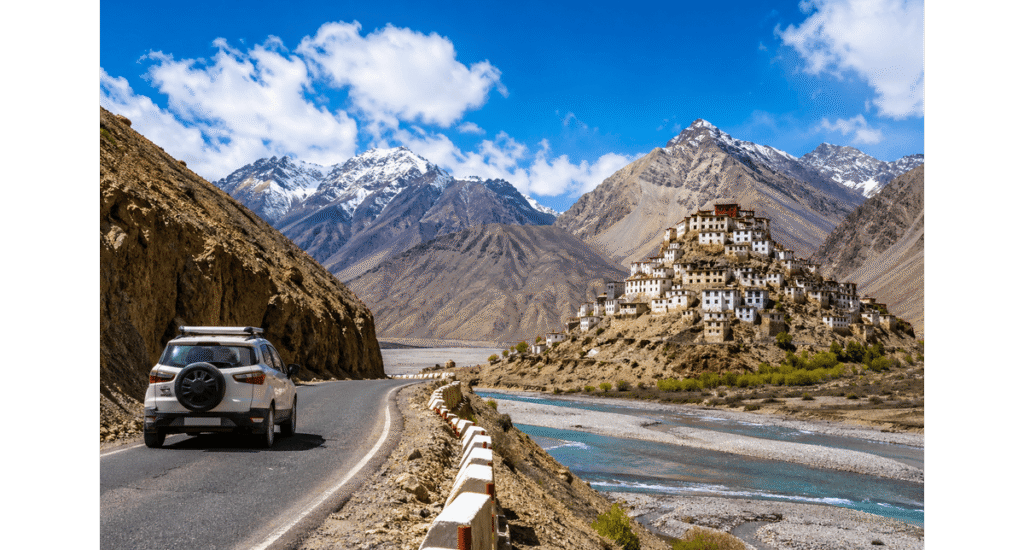
A Spiti Valley road trip is one of India’s most breathtaking travel experiences, attracting adventure lovers, bikers, photographers, and explorers from across the country. Surrounded by rugged Himalayan landscapes, ancient monasteries, dramatic mountain passes, and remote villages, Spiti Valley offers an unforgettable journey unlike any other Himachal road trip. But while the destination is spectacular, the timing of your trip is what truly determines how safe, smooth, and enjoyable your experience will be.
Road conditions in Spiti Valley change drastically with seasons. Snowfall, landslides, blocked mountain passes, and extreme temperatures can impact accessibility and safety. That is why understanding the best time to go Spiti Valley is essential before planning your route. Whether you are a solo rider, a family traveler, or someone looking for a trusted road trip company Bangalore, proper seasonal planning can help you avoid risks and enjoy the journey with confidence.
At Motorswamis, we believe every road trip should combine thrill with smart planning. This guide will help you understand the safest months, road conditions, route options, weather patterns, and practical travel insights to choose the best time to visit Spiti Valley.
When Is the Best Time to Visit Spiti Valley?
The best time to visit Spiti Valley for a safe and comfortable road trip is between May and October. During these months, the roads are generally open, weather conditions are manageable, and travelers can access major routes from Shimla or Manali depending on the season.
From late May, snow begins to clear from high mountain passes, making travel possible. June is often one of the most popular months because roads become more stable and temperatures are pleasant. July and August are also accessible, although travelers should remain cautious about landslides in nearby regions. September is widely considered the ideal month for Spiti Valley tourism because of stable roads, clearer skies, and reduced tourist crowds.
By October, temperatures start dropping significantly, and by late October or November, snowfall can begin affecting accessibility again.
Why Does Choosing the Right Season Matter for a Spiti Valley Road Trip?
Spiti Valley is not a year-round road trip destination in the same way as other tourist spots. Located at high altitude, the valley experiences harsh winters and challenging terrain, making seasonal planning essential. In winter, heavy snowfall blocks key routes like Kunzum Pass and Rohtang Pass, often making road travel dangerous or impossible. Temperatures can fall below freezing, and accommodation options may become limited.
Summer and early autumn provide safer road conditions, better visibility, and more predictable travel experiences. This is why most experienced travelers and every reliable road trip company prioritize seasonal timing when planning expeditions. If your goal is a safe Spiti Valley road trip best season, summer and autumn are your best choices.
What Is Spiti Valley Weather Like Throughout the Year?
Understanding Spiti Valley weather can help you choose the right travel window based on your comfort level and adventure goals.
Summer (May to June)
Summer is one of the safest and most popular times to visit. Roads gradually open, temperatures are moderate, and snow-covered landscapes remain visually stunning. This season is perfect for travelers looking for both accessibility and scenery.
Monsoon (July to August)
Spiti itself is a cold desert and receives low rainfall, but roads leading to the valley—especially from Manali—can face occasional landslides or roadblocks. Travelers should stay updated on road conditions.
Autumn (September to October)
This period is often considered the sweet spot for a Spiti Valley road trip. Weather is clear, roads are more stable, and landscapes are beautiful without peak tourist traffic.
Winter (November to April)
Winter travel is only recommended for highly experienced adventurers due to snow, ice, and extreme cold.
Which Route Is Better for a Safe Himachal Road Trip to Spiti Valley?
When planning a Himachal road trip to Spiti Valley, route selection plays a major role in safety and comfort.
Shimla to Spiti Valley Route
The Shimla route is generally considered safer because it offers gradual altitude gain, which helps travelers acclimatize better. This route also reduces the risk of sudden altitude sickness and is preferred by first-time visitors.
Popular Route: Shimla → Sangla/Kalpa → Nako → Tabo → Kaza
Manali to Spiti Valley Route
The Manali route is more adventurous but can be rougher due to steep climbs, water crossings, and challenging terrain. It is best suited for experienced bikers and thrill-seekers.
Popular Route: Manali → Rohtang Pass → Kunzum Pass → Kaza
For travelers focused on safety, entering Spiti through Shimla and exiting via Manali is often the smartest plan.
Is Spiti Valley Safe During Monsoon?
Many travelers wonder whether monsoon is suitable for a Spiti Valley road trip. The answer depends on your route and flexibility.
Spiti Valley itself gets minimal rainfall, but neighboring areas in Himachal Pradesh can face weather-related disruptions. Roads from Manali may experience landslides, while the Shimla route often remains comparatively safer.
If traveling during July or August:
- Monitor road updates regularly
- Prefer daytime driving
- Consider guided tours
- Be flexible with itinerary changes
Traveling with a professional road trip company Bangalore can also reduce uncertainty for long-distance travelers.
Why Is September Often Called the Best Month for Spiti Valley Tourism?
Among all travel windows, September consistently stands out as one of the best options for Spiti Valley tourism. The monsoon impact starts reducing, roads become more stable, mountain views are clearer, and tourist crowds begin thinning out. This creates a perfect combination of safety, photography opportunities, and peaceful travel experiences.
For travelers searching online for the best time to go Spiti Valley, September is often the top recommendation due to:
- Better road conditions
- Pleasant temperatures
- Scenic landscapes
- Fewer traffic challenges
Can Beginners Plan a Spiti Valley Road Trip Safely?
Yes, beginners can absolutely enjoy Spiti Valley safely with proper planning. The key is choosing the right season, selecting a safer route, and understanding altitude challenges.
For first-time travelers:
- Choose May to September
- Prefer Shimla route
- Avoid winter
- Plan extra days for acclimatization
- Travel responsibly
How Can Bangalore Travelers Plan a Spiti Valley Road Trip?
For adventure enthusiasts from South India, especially those searching for a road trip company Bangalore, planning a Spiti expedition involves more than just choosing dates.
Travelers from Bangalore often:
- Fly to Delhi or Chandigarh
- Rent bikes or SUVs
- Join organized road trip groups
- Ship personal motorcycles
Working with experienced planners like Motorswamis can simplify logistics, improve route planning, and make the experience safer.
What Are the Biggest Challenges on a Spiti Valley Road Trip?
Even during the best season, Spiti Valley remains a high-altitude adventure.
Common challenges include:
- Rough roads
- Limited fuel stations
- Altitude sickness
- Unpredictable weather
- Remote terrain
These are manageable with proper planning, making seasonal timing even more important.
Frequently Asked Questions:
1. Which is the best month for a Spiti Valley road trip?
September is often considered the best month due to stable weather and safer roads.
2. Is June a good time to visit Spiti Valley?
Yes, June offers excellent road accessibility and scenic mountain views.
3. Can I visit Spiti Valley in winter?
Winter trips are possible but risky and recommended only for experienced travelers.
4. Which route is safer: Shimla or Manali?
Shimla is generally safer due to gradual altitude gain.