High Altitude Road Trip Safety: A Professional Guide for Road Trips India
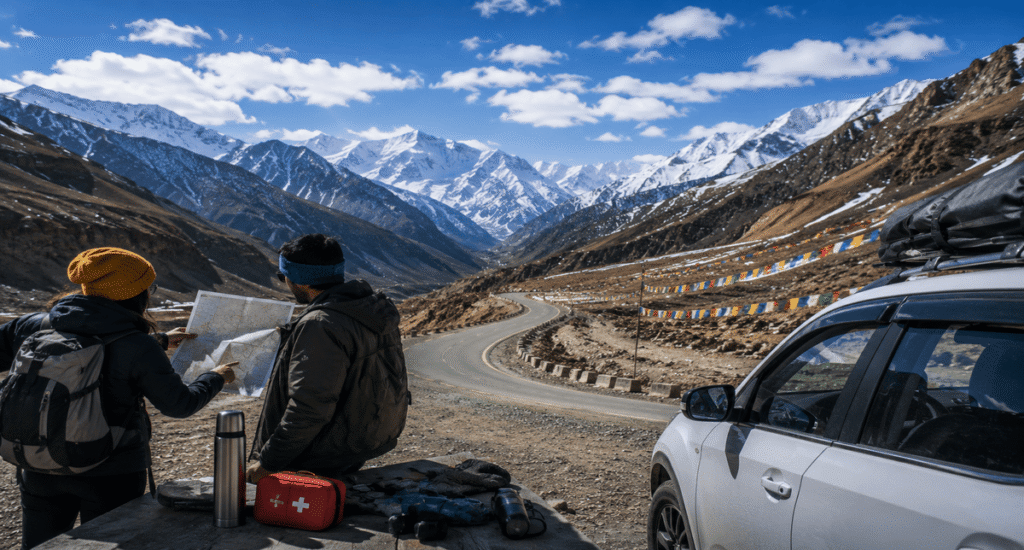
High altitude journeys offer a completely different way to experience India. Winding mountain roads, dramatic landscapes, remote villages and changing weather make these journeys ideal for travellers who want to move away from crowded tourist destinations and discover something more authentic. However, a high-altitude road trip also requires careful preparation. Mountain roads can be unpredictable, weather can change quickly and long driving hours can be physically demanding. Understanding basic safety measures can help travellers enjoy the journey without unnecessary risks.
For travellers planning road trips India, preparation becomes even more important when the itinerary includes destinations such as Ladakh, Spiti Valley, Arunachal Pradesh, Nagaland or Meghalaya. Whether it is a Self drive adventure, a Family self drive trip or an Organized road trip, knowing how to handle mountain conditions can make the experience safer and more enjoyable.
Motorswamis creates self-drive journeys that take travellers beyond the usual tourist routes, combining the freedom of driving with carefully planned itineraries, accommodation and travel support. The focus is on discovering India’s offbeat destinations while experiencing its landscapes, cultures and local communities along the way.
Why is high-altitude road trip safety important?
High-altitude roads are very different from regular city roads and highways. A route may include steep climbs, sharp bends, narrow stretches, gravel, loose stones, snow, mud or water crossings. Weather can add another layer of uncertainty. Clear conditions in the morning can change into rain, fog, snowfall or strong winds within a few hours. This means drivers need to remain alert and be prepared to adjust their plans.
Altitude can also affect the body. As elevation increases, the available oxygen decreases, and some travellers may experience headache, tiredness, dizziness, nausea or difficulty sleeping. The CDC recommends gradual ascent and proper acclimatization when travelling to high elevations. A safe mountain journey therefore depends on more than simply choosing a destination. Route planning, suitable self drive cars, realistic driving schedules, weather awareness and adequate rest all play an important role.
How should you prepare for a high-altitude road trip?
Preparation should begin before the journey starts. A good road trip plan considers the route, road conditions, weather, accommodation, fuel availability and possible changes to the itinerary. For a self drive journey, travellers should also understand the vehicle they will be driving and make sure essential items are ready before entering mountainous terrain.
A basic preparation routine should include:
- Checking tyres, brakes, battery and essential fluids
- Confirming that the spare tyre is properly inflated
- Carrying personal medicines and a basic first-aid kit
- Carrying sufficient drinking water and snacks
- Packing warm and weather-appropriate clothing
- Keeping a power bank and charging equipment
- Checking the weather and local road conditions
- Saving important emergency contacts
- Downloading offline navigation maps
- Carrying a valid driving licence and required vehicle documents
The purpose is not to overpack. It is to be prepared for common situations that can occur when travelling through remote mountain areas.
What makes self-drive travel different in the mountains?
A Self drive journey gives travellers the freedom to experience a destination at their own pace. They can stop to enjoy a viewpoint, spend more time exploring a village or simply enjoy the changing landscape from behind the wheel.
However, that freedom also comes with responsibility.
Mountain driving requires concentration and patience. Drivers should avoid excessive speed, sudden braking and risky overtaking. Blind bends should be approached carefully, as oncoming vehicles may not be visible until the last moment.
Another important consideration is the daily driving distance. A route that looks short on a map can take considerably longer in the mountains because of bends, road conditions, traffic and unexpected stops.
A relaxed schedule allows travellers to enjoy the journey instead of constantly worrying about reaching the next destination.
How can you prepare self drive cars for mountain roads?
The vehicle is one of the most important parts of a high-altitude journey. Self drive cars should be checked before beginning a demanding mountain route. Tyres should have sufficient tread and appropriate pressure. Brakes need to be in good condition, while the battery, engine oil, coolant and other essential fluids should be checked.
Lights and windshield wipers should also work properly because visibility can change quickly in mountainous areas. Travellers should avoid unnecessary luggage because excess weight can affect vehicle handling, especially on steep climbs and descents. It is also important to understand the type of terrain included in the itinerary. A vehicle that works perfectly on normal highways may require more careful handling on rough mountain roads.
What should you know about driving on mountain roads?
Mountain roads demand a different driving approach. Speed should always match the road surface, visibility, traffic and weather conditions. Drivers should maintain a safe distance from other vehicles and approach sharp bends carefully. Overtaking should never be attempted where visibility is limited. Descending mountain roads can be particularly demanding. Maintaining a controlled speed is important, and drivers should avoid depending excessively on the brakes during long downhill sections.
Stopping also requires care. A scenic viewpoint may look tempting, but the vehicle should never be stopped in a narrow section or somewhere that blocks other road users. The best approach to mountain driving is simple: drive patiently, stay alert and never rush the road.
How important is acclimatization at high altitude?
Acclimatization is an important consideration for high-altitude travel. The body needs time to adjust to reduced oxygen levels as elevation increases. Travellers who ascend too quickly may experience symptoms of altitude illness. The CDC recommends gradual ascent and notes that altitude illness can occur at elevations above approximately 8,000 feet.
Common symptoms may include headache, tiredness, dizziness, nausea and difficulty sleeping. These symptoms should not simply be ignored. For destinations such as Ladakh, acclimatization needs to be considered while planning the itinerary. The Ladakh administration has advised travellers arriving in Leh by air to allow a 48-hour acclimatization period before travelling to higher areas.
A well-planned itinerary therefore leaves sufficient time for rest rather than attempting to cover high-altitude destinations too quickly.
How should you handle sudden mountain weather?
Weather is one of the biggest variables during a high altitude road trip. Mountain weather can change quickly. Rain can make roads slippery, while fog can reduce visibility. Snow and ice can affect vehicle traction, and heavy rainfall may increase the risk of landslides or flooding in vulnerable areas. Before starting each day’s drive, travellers should check local weather forecasts and road advisories. If authorities recommend avoiding a particular route, it is better to change the plan than take unnecessary risks.
Flexibility is especially valuable during mountain journeys. An extra day in the itinerary can provide enough time to wait for improved conditions instead of forcing the journey.
What should families consider on a mountain journey?
A Family self drive trip requires additional attention to comfort and pacing. Children, older family members and travellers who are not accustomed to long drives may need more frequent breaks. Instead of trying to cover the maximum possible distance each day, families should choose a comfortable driving schedule.
Regular breaks provide time to stretch, eat, drink water and enjoy the surroundings. Warm clothing, personal medicines and snacks should also be easily accessible. Families should pay attention to how everyone is feeling, particularly when travelling to high elevations. If someone develops unusual or worsening symptoms, the journey should not be continued simply to stay on schedule. A successful family road trip is not about how many kilometres are covered. It is about creating an enjoyable experience for everyone travelling together.
Can solo travellers join organized road trips?
Travelling alone does not necessarily mean travelling without company. Travel groups for solo travelers can be a great way to explore unfamiliar destinations while meeting people who share a similar interest in adventure and road travel.
An Organized road trip can also make complex journeys easier to manage. Route planning, accommodation and itinerary coordination can be arranged in advance, allowing travellers to focus more on the experience. For someone visiting a remote mountain destination for the first time, having a structured itinerary and travel support can also provide additional confidence. This combination of independence and group companionship can make self-drive adventures particularly appealing to solo travellers.
Why choose a customized road trip?
Every traveller has a different idea of the perfect journey. Some may want to spend more time exploring remote landscapes, while others may prefer a relaxed itinerary focused on nature, culture and local experiences. This is where a Customized road trip partner can be valuable.
A customized journey can be planned around:
- Preferred destinations
- Travel duration
- Group size
- Driving preferences
- Accommodation requirements
- Family needs
- Adventure interests
- Preferred travel pace
Instead of following a fixed itinerary, travellers can have a journey designed around the experiences they actually want. For Motorswamis, customized journeys are about going beyond ordinary tourist routes and discovering lesser-known destinations. The experience brings together self-drive travel, carefully planned routes, accommodation and support while allowing travellers to experience the destination more personally.
How does accommodation affect a mountain road trip?
Accommodation plays an important role in a long mountain journey. After several hours of driving, having a comfortable place to rest can make the next day much easier. A well planned itinerary should avoid unnecessary late-night driving, particularly on unfamiliar mountain roads.
For offbeat destinations, accommodation options may also be more limited than in popular tourist cities. Planning stays in advance can therefore help travellers avoid unnecessary last minute problems. The right balance between driving and rest is important. A journey should provide enough time to explore without making every day feel like a race from one hotel to another.
What role does self drive travel support play?
The freedom to drive is at the heart of a self drive road journey. Instead of simply being transported between destinations, travellers experience the changing landscape directly from the road. At the same time, mountain journeys can bring unexpected challenges. Road conditions may change, weather can affect plans and some routes may take longer than expected.
This is where travel advice and support can be useful. Motorswamis focuses on helping travellers experience India’s offbeat destinations through carefully planned self-drive journeys. From itinerary planning and accommodation to travel guidance and support, the aim is to make the overall journey more comfortable while preserving the excitement of exploration.
How can you stay safe on high altitude passes?
High-altitude passes are often some of the most memorable sections of a mountain road trip. They also require additional caution. Drivers should reduce speed, pay attention to road surfaces and avoid unnecessary overtaking. Sharp bends, loose stones, snow, ice and sudden changes in visibility can create additional challenges.
Stopping should only be done in safe areas where the vehicle does not obstruct traffic. Temperatures can also fall quickly at high elevations. Warm clothing should therefore remain easily accessible rather than being packed at the bottom of the luggage. The higher the road goes, the more important it becomes to respect the terrain.
What should you do if road conditions become unsafe?
A flexible itinerary is one of the most useful safety measures for mountain travel. If heavy rain, snowfall, landslides, flooding or road damage makes a route unsafe, travellers should not attempt to continue simply to stay on schedule. Find a safe place to stop, check official information and follow instructions from local authorities.
The Ladakh administration, for example, has issued travel advisories during periods of heavy rainfall because of risks including flash floods, landslides and unstable road conditions. A change in plan may sometimes mean missing a particular destination, but safety should always come first.
How can travellers explore the mountains responsibly?
Offbeat travel is about more than discovering places away from crowds. It is also about respecting the places being explored. Mountain environments can be fragile, while many remote destinations are home to communities with unique cultures and traditions.
Travellers should avoid littering, respect local customs, follow designated routes and avoid disturbing wildlife. Waste should be carried until it can be disposed of properly. Responsible driving also means respecting local traffic rules and giving way to other road users when required. The goal of an offbeat road trip should be to discover a place without damaging what makes it special.
Why are professional road trips worth considering?
Planning an independent mountain journey can be exciting, but remote routes often require considerable research. Travellers need to consider driving distances, road conditions, accommodation, weather, fuel availability and possible route changes. For first-time visitors, managing all these details can become overwhelming.
A professional Organized road trip can simplify the planning process while still allowing travellers to experience the freedom and excitement of the road. Motorswamis focuses on customized self-drive journeys that take travellers beyond conventional tourist routes. The experience combines carefully planned itineraries, accommodation, travel guidance and support while giving travellers the opportunity to explore India’s diverse landscapes themselves.
From the rugged terrain of Nagaland to the scenic landscapes of Meghalaya and the mountain routes of the North and Northeast, the emphasis is on creating meaningful experiences rather than simply ticking destinations off a list.
Conclusion
A high-altitude road trip is much more than travelling from one destination to another. It is an opportunity to experience India’s mountains, villages, cultures and landscapes at a pace that allows the journey itself to become part of the adventure.
From preparing self drive cars and understanding mountain driving to allowing sufficient time for acclimatization and responding responsibly to changing weather, preparation plays an important role in making the experience safe and enjoyable.
For travellers searching for memorable road trips India, Motorswamis brings together the freedom of self-drive travel with customized itineraries, accommodation and travel guidance. Whether it is a Family self drive trip, an Organized road trip, a journey with travel groups for solo travelers, or a customized adventure created around specific interests, the focus remains on authentic experiences away from the usual tourist trail.
With thoughtful planning, responsible driving and respect for the mountains, the road can become just as memorable as the destination. Explore Motorswamis to discover offbeat Indian destinations through thoughtfully planned self-drive road journeys.
Frequently Asked Questions
1. What is the most important high-altitude road trip safety tip?
Avoid rushing. Allow enough time for acclimatization, check weather and road conditions, drive according to the terrain and be prepared to change the itinerary when conditions become unsafe.
2. Are self drive cars suitable for mountain road trips?
Yes, provided the vehicle is suitable for the planned route and is properly checked before departure. Tyres, brakes, battery, fluids, lights and other essential components should be in good condition.
3. Are high altitude road trips suitable for families?
They can be, provided the journey is planned around the family’s comfort. Shorter driving days, regular breaks, suitable accommodation and preparation for changing weather are important.
4. Can solo travellers join road trip groups?
Yes. Travel groups for solo travelers allow individuals to explore new destinations while enjoying group companionship and a more structured travel experience.
5. What is a customized road trip?
A customized road trip is planned around the traveller’s preferred destinations, duration, group size, interests, accommodation requirements and preferred pace rather than following a fixed itinerary.
6. Is an organized road trip better for first time mountain travellers?
It can be helpful, especially for travellers unfamiliar with remote mountain routes. Professional planning can simplify route selection, accommodation and travel logistics while providing additional guidance during the journey.
7. Which destinations are suitable for adventure road trips in India?
India offers numerous destinations for adventure road trips, including Ladakh, Spiti Valley, Arunachal Pradesh, Nagaland, Meghalaya and Sikkim. The best destination depends on the season, road conditions, travel experience and personal preferences.