
7 Things to Expect on an Organized Self-Drive Road Trip
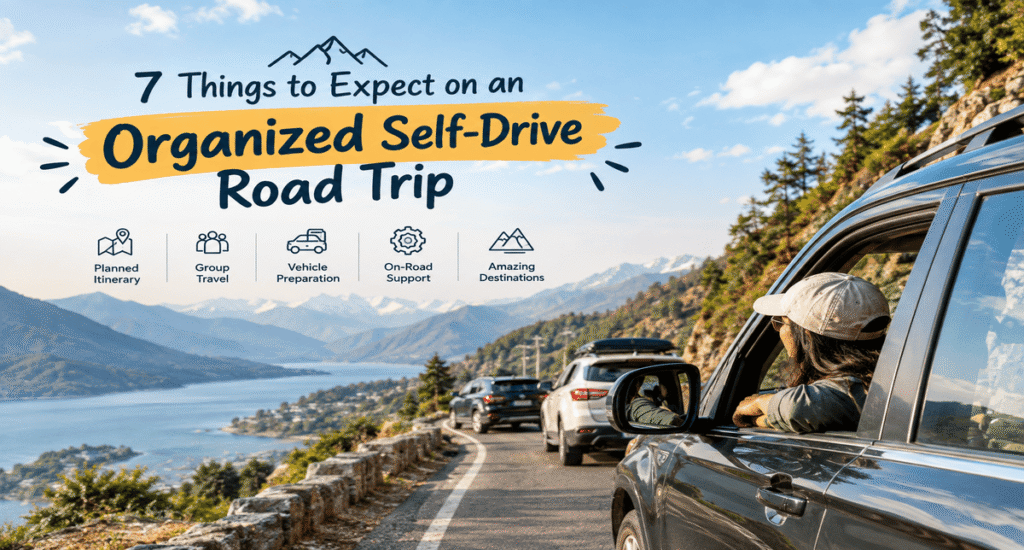
A road trip is more than just driving from one destination to another. It is about discovering new places, enjoying scenic routes, meeting fellow travellers, and making memories along the way. However, planning a long road trip involves several details, including route selection, accommodation, travel schedules, and vehicle preparation. An organized trip can make these arrangements easier.
An organized self-drive road trip gives travellers the freedom to drive their own vehicles while benefiting from planned routes, coordinated travel arrangements, and on-road assistance. With Motorswamis, travellers can explore destinations through thoughtfully organized journeys that combine driving freedom with the reassurance of an organized travel partner. This approach is especially useful when exploring unfamiliar regions or travelling across multiple destinations.
If you are considering joining an organized driving adventure for the first time, understanding what to expect can help you prepare for a smoother and more enjoyable experience.
1. What Makes an Organized Self-Drive Road Trip Different?
Unlike an independent road trip, an organized self-drive road trip offers a planned travel experience with coordination and support throughout the journey. You remain responsible for driving, but many of the arrangements are handled in advance. Instead of researching every destination, planning each stop, and managing every detail yourself, you can focus more on the journey.
Here is what typically makes this experience different:
Planned routes: The journey follows a thoughtfully prepared route with suitable stops along the way.
Travel coordination: Meeting points, schedules, and group movements are organized in advance.
Shared experiences: You travel alongside other people who enjoy exploring new destinations.
On-road support: Depending on the package, a support crew may assist with coordination and technical issues.
Destination exploration: The itinerary can include scenic routes, local experiences, and places beyond the usual tourist attractions.
The exact arrangements depend on the tour operator and package. Before booking, always check what is included and what you need to arrange independently.
2. How Is the Trip Itinerary Planned?
A well planned trip itinerary helps travellers understand where they are going, how long each driving day may take, and what they can explore along the way. Organized road trips usually consider driving distances, road conditions, planned stops, accommodation, and the time needed to experience each destination. This helps avoid a rushed schedule and makes the journey easier to manage.
A typical itinerary may include:
Starting point: Where travellers meet before the journey begins.
Daily driving plan: The approximate route and distance covered each day.
Scheduled breaks: Stops for meals, refreshments, rest, and sightseeing.
Overnight stays: Accommodation arrangements based on the package.
Destination activities: Time for local attractions, nature experiences, and cultural exploration.
Return journey: The planned route and expected end point of the trip.
3. What Should You Know About Group Travel?
One of the most enjoyable parts of organized self-drive group tours in India is travelling alongside people who share your interest in discovering new places. A group road trip can introduce you to fellow travellers with different backgrounds and experiences. Conversations during breaks, shared meals, and exploring destinations together can become memorable parts of the journey.
A positive group travel experience also depends on cooperation. Every participant should respect the schedule, communicate clearly, and understand that the group needs to travel together safely.
Here are a few things to expect:
Common meeting points: Travellers gather at designated locations before starting a driving day.
Group coordination: The team communicates important updates about routes, stops, and schedules.
Shared moments: Meal breaks, sightseeing, and evening gatherings provide opportunities to connect.
Consideration for others: Following agreed timings helps the entire group enjoy the journey.
Personal space: Although you travel as a group, you can still enjoy quiet moments and individual exploration when the schedule allows.
You do not need to know everyone before joining. Being approachable, patient, and willing to cooperate can make the experience more rewarding.
4. What Support Can You Expect During the Drive?
Driving in an unfamiliar region can present challenges, particularly on long routes, mountain roads, or journeys through remote areas. This is why understanding the support arrangements is an important part of choosing an organized road trip. Depending on the package, an organized journey may include a trip coordinator, a support vehicle, technical assistance, or help with travel-related coordination.
A support team may help with:
Communicating route updates and planned stops.
Coordinating the group during daily departures.
Assisting with basic vehicle-related issues, where included.
Helping travellers understand changes to the schedule.
Coordinating assistance when unexpected situations arise.
Motorswamis focuses on organized travel experiences, including journeys where a backup or technical crew can support the group. The precise level of assistance depends on the trip and should be confirmed before booking. It is important to remember that support does not eliminate every travel risk. Drivers must remain responsible for their vehicles, follow road rules, and carry the required documents. Check whether towing, repairs, emergency accommodation, and recovery services are included or separately chargeable.
5. How Should You Prepare Your Vehicle?
Even when the route and travel arrangements are organized, your vehicle needs to be ready for the journey. A self-drive holiday means you are responsible for driving safely and keeping your vehicle in suitable condition. Before departure, arrange a vehicle inspection and address any maintenance concerns. This is particularly important if the trip involves long distances, steep roads, changing weather, or remote locations.
Use this checklist before starting your road trip:
Check the tyres, including the spare tyre and tyre pressure.
Inspect the brakes, lights, battery, and essential fluids.
Confirm that the air conditioning and other important systems work properly.
Carry a suitable spare tyre, basic tools, and a warning triangle where appropriate.
Keep your driving licence, vehicle registration, insurance, and other required documents accessible.
Pack a first-aid kit, drinking water, and essential emergency supplies.
Check whether your vehicle is suitable for the planned terrain.
Do not assume that every route is suitable for every vehicle. Ask the organizer about road conditions, ground clearance requirements, and any vehicle specific recommendations before confirming your booking.
6. What Can You Experience Beyond the Destination?
A memorable road trip is not defined only by the place where it ends. The journey itself can be just as rewarding, especially when the route passes through changing landscapes, local communities, and less-explored regions. An organized trip can provide opportunities to discover places that you might overlook when travelling directly between major tourist attractions.
Depending on the destination and itinerary, you may experience:
Scenic drives through mountains, forests, valleys, or coastal stretches.
Local food and regional traditions.
Small towns and villages along the route.
Nature experiences and viewpoints.
Conversations with fellow travellers.
Unplanned discoveries when conditions allow some flexibility.
For travellers interested in exploring beyond familiar destinations, regions such as Meghalaya, Nagaland, Arunachal Pradesh, Sikkim, and Spiti offer different landscapes and travel experiences. However, not every trip includes all these destinations or activities. Review the actual itinerary to understand how much time is available for sightseeing, local experiences, and relaxation.
7. What Should You Pack for a Self-Drive Road Trip?
Packing for a self-drive trip requires a little more thought than packing for a short holiday. You need personal essentials as well as items that make long driving days more comfortable. The right packing list depends on the destination, duration, season, and road conditions.
Essential items to carry:
Driving licence and vehicle documents.
Comfortable clothing suitable for the expected weather.
Walking shoes or footwear appropriate for planned activities.
Personal medication and basic first-aid supplies.
Reusable water bottle and travel-friendly snacks.
Phone charger, charging cables, and a power bank.
Sunglasses, sunscreen, and personal hygiene products.
Weather-appropriate layers, rain protection, or warm clothing.
Offline maps or navigation options for areas with limited connectivity.
Avoid overpacking, as unnecessary luggage can reduce space and make it harder to organize the vehicle. If you are travelling through remote or mountainous areas, check mobile network availability, fuel stops, weather conditions, and local requirements in advance. Your organizer may also provide a destination-specific packing list.
8. How Can You Make the Most of the Journey?
A well-organized trip provides a structure, but your attitude also plays an important role in how much you enjoy it. Start by understanding the itinerary and setting realistic expectations. Long drives may involve early departures, extended travel hours, and fewer conveniences than you are used to at home.
A few simple habits can improve your experience:
Follow the agreed schedule: Be ready at departure times and inform the coordinator if you face a delay.
Drive responsibly: Maintain safe distances, follow speed limits, and avoid driving when tired.
Stay flexible: Weather, road closures, or other unexpected conditions may require changes.
Respect local communities: Follow local customs and avoid littering or disturbing wildlife.
Take breaks when needed: Do not compromise your concentration to keep up with the schedule.
Enjoy the journey: Take time to appreciate the landscapes and experiences rather than focusing only on reaching the next stop.
The goal is not simply to cover more kilometres. It is to experience the route safely, comfortably, and meaningfully.
9. How Do You Choose the Right Organized Road Trip?
Not every road trip suits every traveller. Some journeys focus on scenic driving, while others involve remote destinations, challenging terrain, or longer driving days. Before booking, look beyond the destination name and understand how the trip will operate.
Consider these questions:
What is included in the package? Check accommodation, meals, permits, activities, and other inclusions.
Who is the trip suitable for? Understand the driving experience, vehicle requirements, and physical demands.
What support is provided? Ask about trip coordinators, technical assistance, backup vehicles, and emergency arrangements.
How demanding is the itinerary? Review daily distances, driving hours, road conditions, and rest days.
What are the additional costs? Clarify fuel, tolls, parking, personal expenses, and services not included in the package.
What happens if plans change? Understand the policies for cancellations, delays, weather disruptions, and itinerary changes.
Choosing a trip that matches your interests, budget, and driving confidence will help you get more out of the experience. For further travel inspiration, explore Incredible India, the official tourism website of India, to learn more about destinations, culture, and regional experiences.
Conclusion
An organized self-drive road trip combines the independence of driving with the convenience of coordinated travel. From a carefully planned trip itinerary and group travel experience to vehicle preparation and on-road support, understanding these elements helps you prepare for a more enjoyable journey. The best road trips are not only about reaching a destination. They are about discovering new places, connecting with fellow travellers, and enjoying the freedom of the open road without overlooking safety and preparation.
If you are ready to explore India’s scenic routes and lesser-known destinations, Motorswamis can help you discover organized road trip experiences designed around exploration, coordination, and the joy of driving. Explore the available journeys at Motorswamis and find a road trip that matches your travel interests.
Frequently Asked Questions
1. What is an organized self-drive road trip?
An organized self-drive road trip is a journey where participants drive their own vehicles while a tour operator coordinates arrangements such as the itinerary, group travel, accommodation, and support services, depending on the package.
2. Are organized self-drive road trips suitable for beginners?
They can be suitable for beginners who have a valid driving licence, adequate driving skills, and confidence in the vehicle they will use. However, some routes require greater experience. Check the driving requirements and terrain before booking.
3. What is usually included in a self-drive road trip package?
Inclusions vary by operator. A package may cover itinerary planning, accommodation, trip coordination, selected activities, and on-road support. Fuel, meals, tolls, and vehicle-related expenses may be additional, so confirm the details in advance.
4. Do I need my own car for a self-drive group tour?
Many self-drive tours expect participants to bring their own vehicles, but some operators may offer vehicle rental options. Ask the organizer about vehicle availability, eligibility, insurance, and rental charges before booking.
5. What happens if my vehicle breaks down during the trip?
The response depends on the organizer’s support arrangements and the location of the breakdown. Some trips provide technical assistance or a backup crew, while repairs, towing, and recovery may involve additional costs. Confirm the coverage before departure.
6. How do I prepare for a long road trip in India?
Have your vehicle inspected, check the route and weather, organize your documents, carry essential supplies, and plan suitable rest breaks. Follow road safety rules and avoid driving when tired.
7. Why choose an organized road trip instead of travelling independently?
An organized trip can reduce the time spent coordinating routes, group movements, and travel logistics. It may also provide access to on-road support and shared experiences while allowing you to enjoy the freedom of driving.