
Why Route Planning Matters on Remote Mountain Road Trips
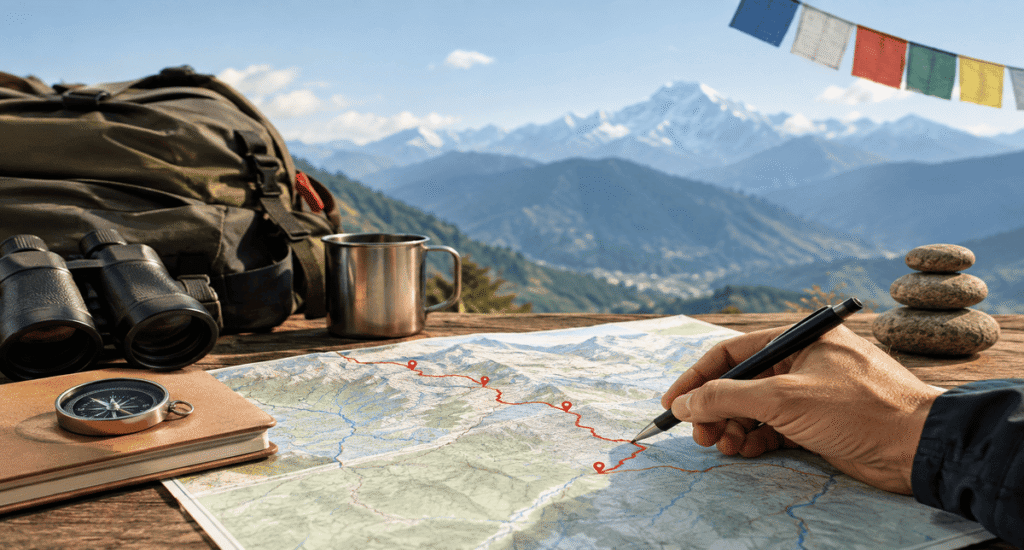
A road trip through remote mountain regions can be an exciting way to experience places that are far from crowded tourist routes. However, a mountain road trip is very different from driving on familiar city or highway routes. Narrow roads, changing weather, limited fuel stations, poor connectivity, long driving hours, and unexpected road conditions can all affect your journey. This is why proper road trip planning matters before you start.
For travellers exploring remote destinations in India, a well planned road trip can make the journey more comfortable and organised. At Motorswamis, route planning is an important part of creating memorable road trips because the journey involves more than simply choosing a destination on a map. A carefully planned route considers the road, travel time, stops, accommodation, local conditions, and possible alternatives.
Why Is Route Planning Important?
A mountain road trip often takes longer than the distance on a map may suggest. A route may include steep climbs, hairpin bends, narrow sections, rough surfaces, or stretches where driving needs to be slower and more careful.
Route planning helps travellers understand what they can realistically cover in a day. Instead of trying to cover too many kilometres, a sensible road trip itinerary allows enough time for driving, breaks, sightseeing, meals, and rest. This becomes particularly important on remote mountain trips, where the next fuel station, accommodation option, or major town may be much farther away than expected.
What Should You Check Before a Mountain Road Trip?
Before starting a road trip, it is important to understand the route rather than simply following the shortest option shown on a navigation app. Mountain roads can change because of weather, maintenance work, landslides, traffic restrictions, or other local conditions.
A good route plan should consider:
- Road conditions and accessibility
- Approximate driving time
- Fuel availability
- Accommodation along the route
- Weather conditions
- Connectivity and communication
- Alternate routes
- Rest and meal stops
- Vehicle readiness
- Local travel restrictions
- Emergency and backup arrangements
India’s Ministry of Road Transport and Highways specifically recognises factors such as terrain, weather, landslides, rock falls, snow, avalanches and other conditions when dealing with hill roads. This shows why a mountain road trip needs more practical planning than simply selecting a destination and starting the drive.
How Does Route Planning Improve a Road Trip?
Good road trip planning gives travellers a clearer idea of what the journey will involve. It helps prevent rushed driving and allows the itinerary to match the actual conditions of the route.
For example, a route may look short on a map but take several hours because of mountain terrain. Planning the journey around realistic driving hours gives travellers more time to enjoy the destination instead of spending the entire day trying to reach the next stop. It also makes it easier to decide where to stay overnight and when to begin the next part of the road trip.
Why Are Alternate Routes Important?
A remote mountain road trip should never depend entirely on one route. Mountain roads can be affected by heavy rain, landslides, snowfall, road repairs, temporary closures, or other unexpected situations. Having an alternate route or backup plan can help travellers adjust their journey when the original route becomes difficult or unavailable.
This does not mean that every traveller needs several complicated maps. It simply means that the main route should be studied in advance and realistic alternatives should be considered. For a well organised road trip, flexibility is just as important as the original itinerary.
Can Offline Maps Help on Remote Road Trips?
Yes. Navigation becomes particularly important when a road trip enters areas with limited mobile connectivity. Downloading maps before leaving an area with reliable internet can provide an additional navigation option. Google Maps supports downloading areas for offline use. Once downloaded, the map can provide driving navigation when the connection is unavailable, provided the entire route is covered by the downloaded area. However, offline navigation does not provide live traffic information or alternative routes while offline.
For this reason, offline maps should be treated as one part of road trip planning, rather than the only navigation method. It is also useful to keep important destination details, accommodation information and emergency contacts accessible without depending entirely on mobile data.
Why Does Fuel Planning Matter?
Fuel planning is easy to overlook during a city-based road trip, where petrol stations are usually easy to find. Remote mountain routes can be different. A traveller may drive for a long distance before reaching the next reliable fuel station. This is why fuel stops should be considered while creating the road trip itinerary.
Instead of waiting until the fuel level becomes very low, travellers should understand where refuelling opportunities are available along the route. This small part of road trip planning can prevent unnecessary delays and stress.
How Does Weather Affect Mountain Road Trips?
Weather can have a major effect on a mountain road trip. Rain, snow, fog, strong winds and other conditions can change driving conditions and affect travel time. A route that is comfortable in one season may require considerably more planning at another time of year. This is why travellers should check relevant weather and local road information before and during their road trip.
The goal is not to predict every possible situation. It is to avoid treating a mountain route like a fixed journey where everything will always happen according to schedule
Should You Plan Rest Stops on a Road Trip?
Yes. Rest stops are an important part of responsible road trip planning. Long hours of continuous driving can make a journey tiring, especially when the route includes winding mountain roads that require constant attention. Building suitable breaks into the itinerary gives drivers time to rest and travellers an opportunity to enjoy smaller places along the way.
A good road trip is not necessarily about reaching the destination as quickly as possible. The route itself can become one of the most memorable parts of the experience.
Why Are Customised Tours Useful?
Every traveller has different expectations from a road trip. Some may want longer driving days and more remote locations, while others may prefer shorter routes with more time for sightseeing and relaxation. This is where customised tours can make a difference. Instead of following a fixed schedule, travellers can have the route and itinerary planned around their interests, available time and preferred travel style.
Customised tours and itineraries can take factors such as destination preferences, group size, travel duration and activities into consideration. This allows the road trip to feel more personal rather than like a standard package.
What Does an Organised Travel Partner Do?
Planning a remote mountain road trip involves many small decisions. Travellers need to think about routes, accommodation, driving distances, stops and possible changes to the itinerary.
An organised travel partner can help coordinate these elements before the journey begins. Instead of handling every part independently, travellers can have a structured itinerary that gives them a clearer understanding of the journey. For more challenging road trips, local knowledge and practical route planning can also be valuable. The purpose is not to remove the sense of adventure but to make the adventure more organised.
Is Route Planning Only About Safety?
No. Safety is an important part of road trip planning, but it is not the only reason to plan your route. Good planning can also improve the overall travel experience. It can help you discover interesting stops, choose suitable overnight locations, avoid unnecessarily long driving days and spend more time experiencing the destination.
A thoughtfully planned road trip gives travellers the freedom to enjoy the journey without constantly wondering about the next fuel stop, accommodation or route.
How Can You Plan a Better Mountain Road Trip?
Before starting your next mountain road trip, take some time to understand the entire journey rather than focusing only on the final destination.
A practical planning process can include:
- Choose realistic daily distances: Mountain roads may require more driving time than expected.
- Study the route: Understand major towns, remote sections, fuel stops and overnight locations.
- Prepare alternatives: Keep possible backup routes in mind when travelling through remote areas.
- Check conditions: Look at weather and relevant local road information before departure.
- Prepare offline navigation: Download the required map areas before entering places with poor connectivity.
- Keep flexibility: Avoid creating an itinerary so tight that one delay affects the entire road trip.
- Plan for the vehicle: Make sure the vehicle is suitable and ready for the planned terrain and distance.
The objective is not to plan every minute. It is to understand the journey well enough to make sensible decisions along the way.
Which Destinations Suit a Well-Planned Road Trip?
India offers many destinations where the journey is an important part of the experience. Depending on the season, route conditions and travel requirements, travellers can explore destinations such as Sikkim, Meghalaya, Arunachal Pradesh, Nagaland, Spiti Valley, Tawang, Kaziranga, Coastal Karnataka and lesser explored areas of Ladakh.
These destinations can offer very different mountain trips and road experiences. That is why a single standard itinerary may not suit every traveller. For remote destinations, customised tours and itineraries can help create a journey that matches the group’s interests and available time.
What Mistakes Should You Avoid?
One of the biggest mistakes in road trip planning is assuming that the shortest route is automatically the best route. Another is planning too many destinations into a limited number of days.
Other common mistakes include ignoring fuel availability, depending completely on mobile connectivity, leaving no buffer time, and failing to consider changing weather or road conditions. A successful road trip needs enough structure to keep the journey organised while leaving enough flexibility to respond to real-world conditions.
Plan Your Next Road Trip With Motorswamis
A memorable road trip is not only about reaching a beautiful destination. The route, the stops, the landscapes and the unexpected moments along the way are all part of the experience. With thoughtful road trip planning, travellers can explore remote mountain regions with a clearer itinerary and better preparation.
Motorswamis helps travellers experience offbeat destinations through CUSTOMISED TOURS & ITINERARIES, with route planning based on the journey, destination and travel requirements. Whether you are considering a mountain road trip, a group journey or an adventure through remote parts of India, having an organised travel partner can help turn a complicated route into a more manageable travel experience.
Frequently Asked Questions:
1. Why is road trip planning important?
Road trip planning helps travellers understand routes, driving distances, fuel stops, accommodation, road conditions and possible alternatives before starting the journey. It is particularly useful for remote mountain road trips where facilities and connectivity may be limited.
2. How far in advance should I plan a mountain road trip?
The ideal planning time depends on the destination, season and length of the road trip. For remote mountain destinations, it is useful to plan early enough to research routes, accommodation, permits where applicable and seasonal travel conditions.
3. Are mountain road trips difficult to plan?
They can require more preparation than ordinary road trips because mountain routes may involve changing weather, longer driving times, limited connectivity and fewer services. Working with an organised travel partner can simplify route and itinerary planning.
4. Are customised road trips better for remote destinations?
Customised road trips can be useful when travellers have specific interests, time limits or preferred destinations. A customised itinerary can be adjusted around the group’s travel requirements rather than following a fixed schedule.
5. Should I use offline maps on a mountain road trip?
Yes, downloading the relevant map area before travelling can provide useful navigation when internet connectivity is unavailable. However, offline maps have limitations, including the absence of live traffic information and alternative routes while offline.